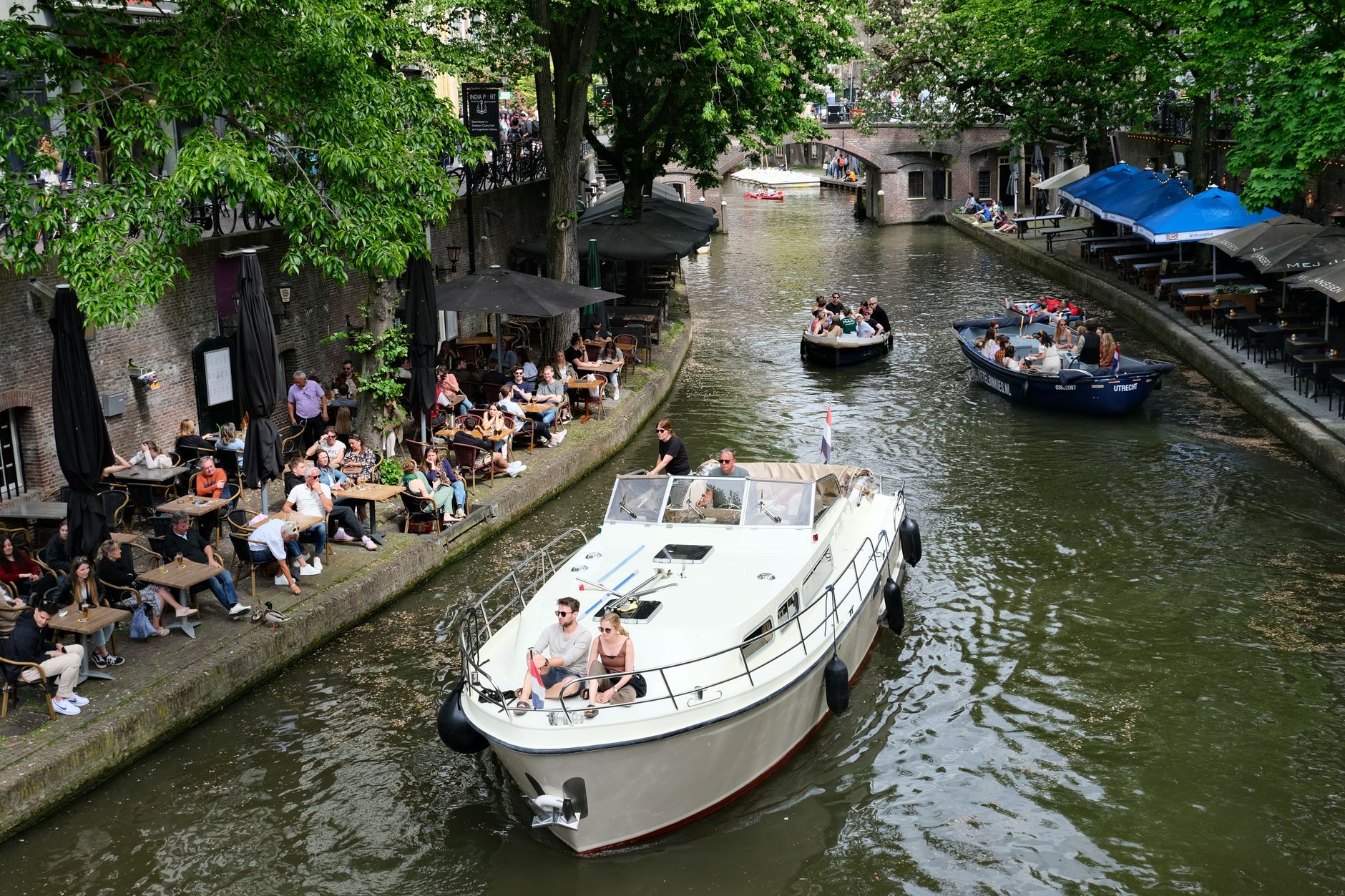
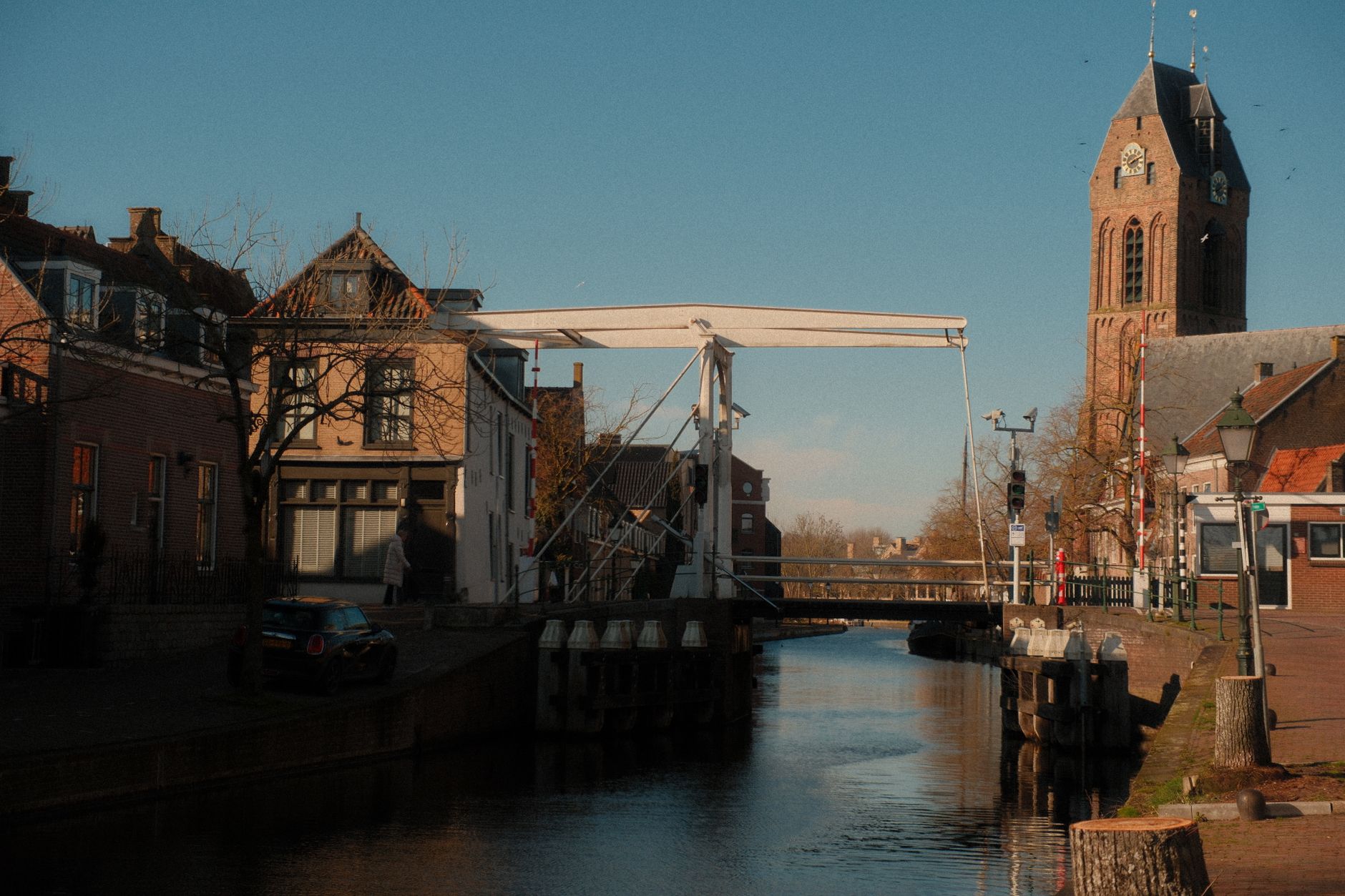
Wittevrouwen
Just outside the moat: nineteenth-century terraces, the Griftpark, and a five-minute bike ride to the Dom.
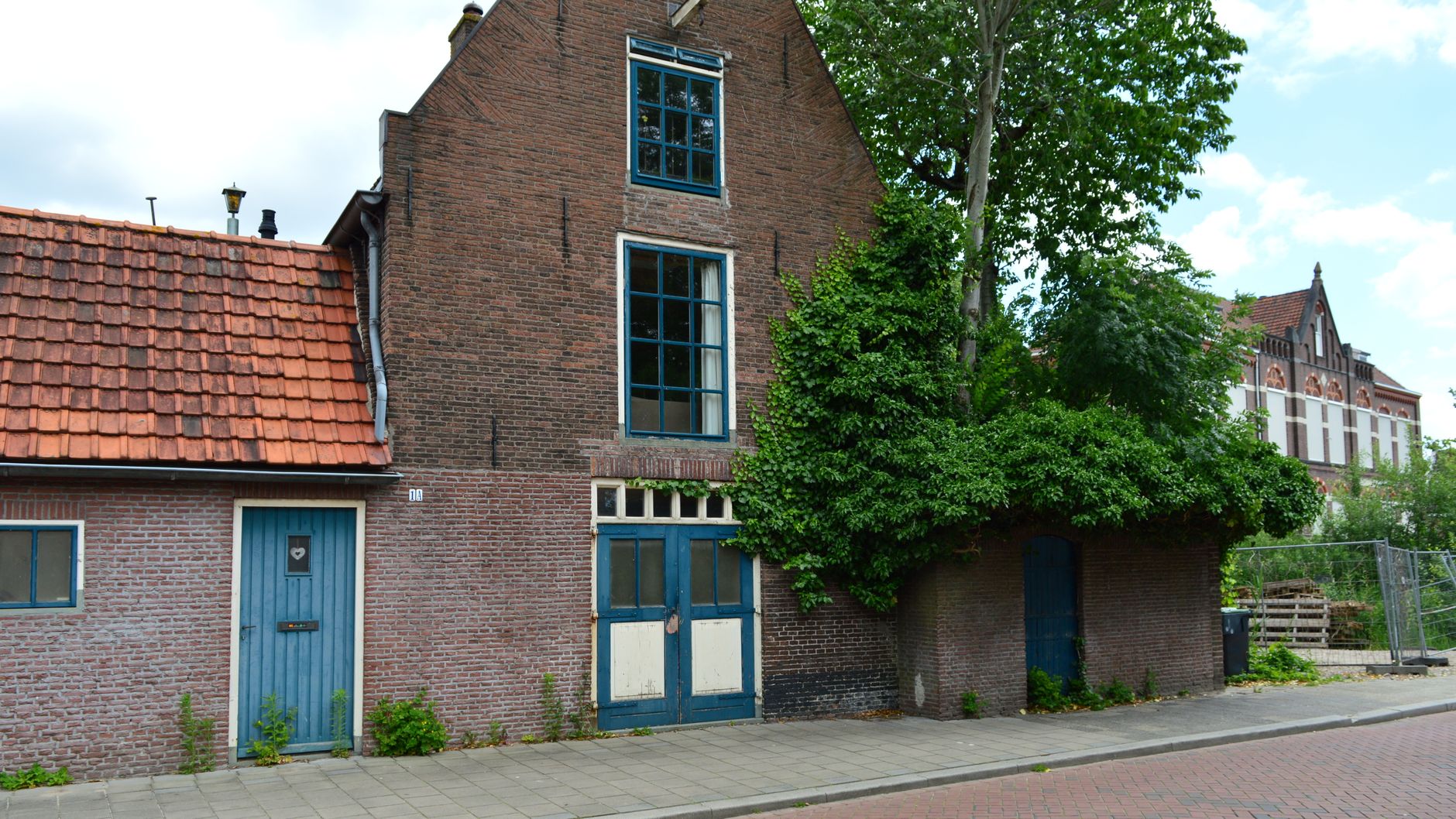 Brick terraced houses with front gardens on a quiet street beside Griftpark in Utrecht
Why people stay in Wittevrouwen
Wittevrouwen begins the moment you cross the Wittevrouwenbrug and leave the old city. It is a compact grid of 1890s to 1920s brick terraces between the singel, the Biltstraat and the Griftpark, built for clerks and railway workers and now some of the most sought-after housing in Utrecht. Front gardens, three-storey houses, streets narrow enough that cars crawl. It has a village-ish self-sufficiency: Poortstraat and the Bekkerstraat corner carry a baker, a cheese shop, a couple of cafés and a good bookshop, and residents genuinely do their week here.
The Griftpark on the northern edge is the local anomaly and a good story. It sits on the site of a coal gasworks whose soil was so badly poisoned that the entire site had to be sealed inside an underground wall and pumped for decades; the park on top opened in 1999 and now holds a concrete skate bowl that draws riders from three provinces, a free city farm with goats and pigs, a wading pool and a café. On a warm Saturday it is packed with families and students with disposable barbecues, and the smoke drifts over the whole neighbourhood.
At nine in the evening this is a residential place with lit windows and no curtains — the Dutch habit — and a handful of brown cafés with ten tables each. Nothing is loud. The nearest real nightlife is over the bridge on Nobelstraat, six minutes on foot. Restaurants along Nachtegaalstraat and Biltstraat stop seating around 21:00. It suits people who want to sleep, cook occasionally, and be in the centre in the time it takes to find your bike key.
Two caveats. Biltstraat itself is a busy bus and traffic corridor, noisy and unattractive, so a room facing it is a mistake even at a discount. And there are few real hotels here — the stock is guesthouses, B&Bs in family houses and apartments, which means personal service, breakfast at a set hour and no reception after 22:00. If you need a 24-hour front desk, room service or a lift, book in the Binnenstad and accept the surcharge.
The sweet spot is the block between Poortstraat, Nicolaas Beetsstraat and the Wittevrouwensingel: quiet, three minutes from the water, five from Neude on foot. Expect €95-150 for a double in a B&B or apartment, breakfast usually included and often very good — local bread, Utrechtse cheese, eggs. Apartments for four run €130-180 a night with a three-night minimum in summer. Anything facing the Griftpark is fine except on the hottest weekends when the skate bowl and barbecues run late. Avoid Biltstraat frontages, avoid the stretch nearest the Wolvenplein junction where traffic queues, and check whether your room is a converted attic — a lot of them are, with sloping ceilings you will meet with your forehead and no air conditioning during the July heat.
Things to do in Wittevrouwen

Enter from the Griftstraat side. The concrete bowl is free, open all hours and busy from mid-afternoon; the kinderboerderij with goats, chickens and pigs is free too and open roughly 09:00-17:00. There is a decent park café with terrace, and a wading pool that runs through the summer for small children.
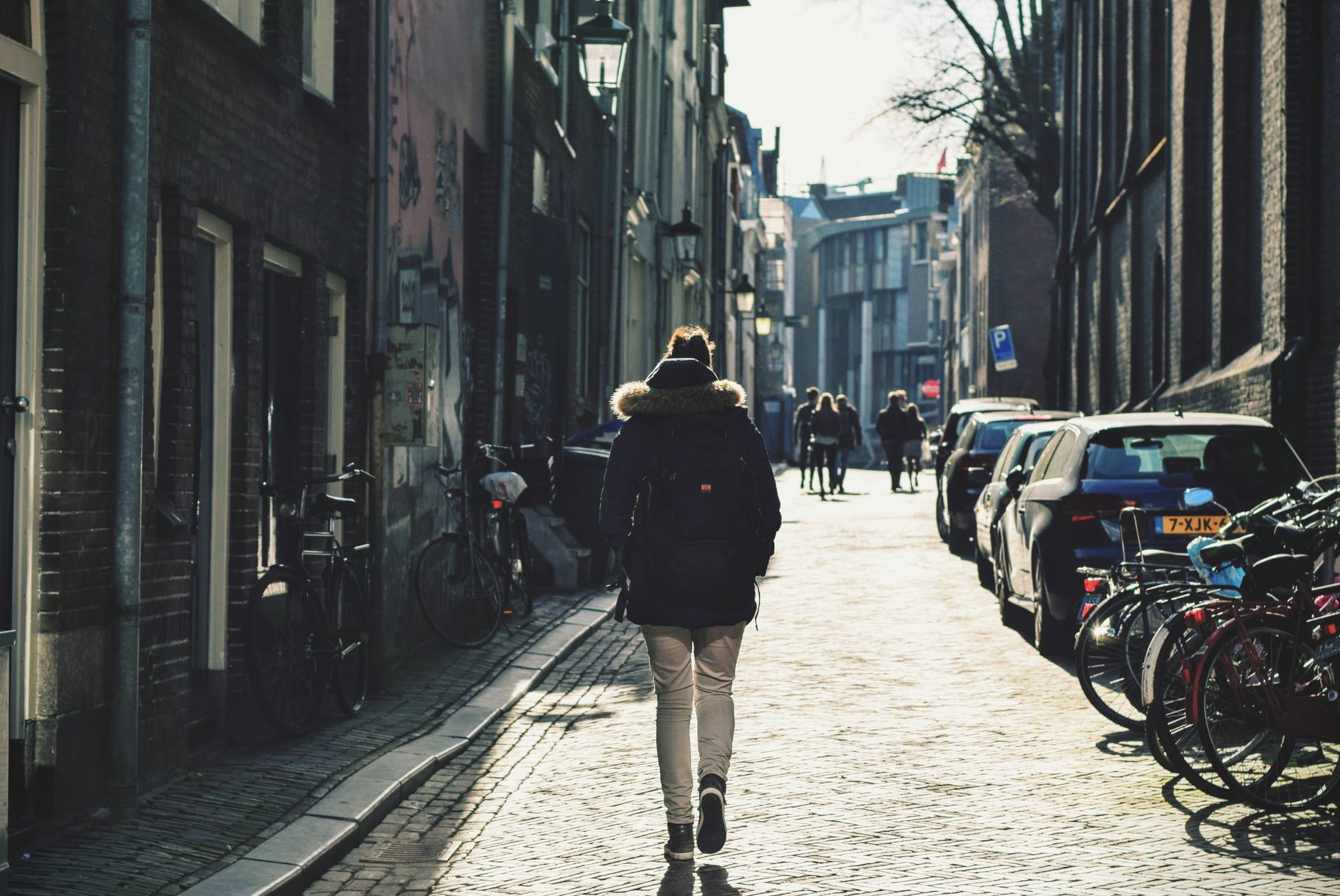
Poortstraat, running north from the singel, is the neighbourhood high street in miniature: bakery, cheesemonger, wine shop, two cafés with pavement tables. Coffee €3.20, a decent slice of appeltaart €4.50. Most shops open 09:00-18:00, closed Sunday, though the cafés run from 09:00 on weekend mornings.

Along Wittevrouwensingel stands the 1856 Wolvenplein prison on its own island in the moat, empty since 2014 and now used for exhibitions, markets and temporary bars. Check what is on before you go — access varies — but the exterior walk along the water from Wittevrouwenbrug takes ten minutes and is lovely at dusk.

Just inside the moat, Nachtegaalstraat and Voorstraat form a run of vintage clothing, record shops, ethical outfitters and repair cafés, open roughly 11:00-18:00, closed Monday morning. This is where Utrecht's reuse habit is most visible, and the prices are far below the Binnenstad chains.
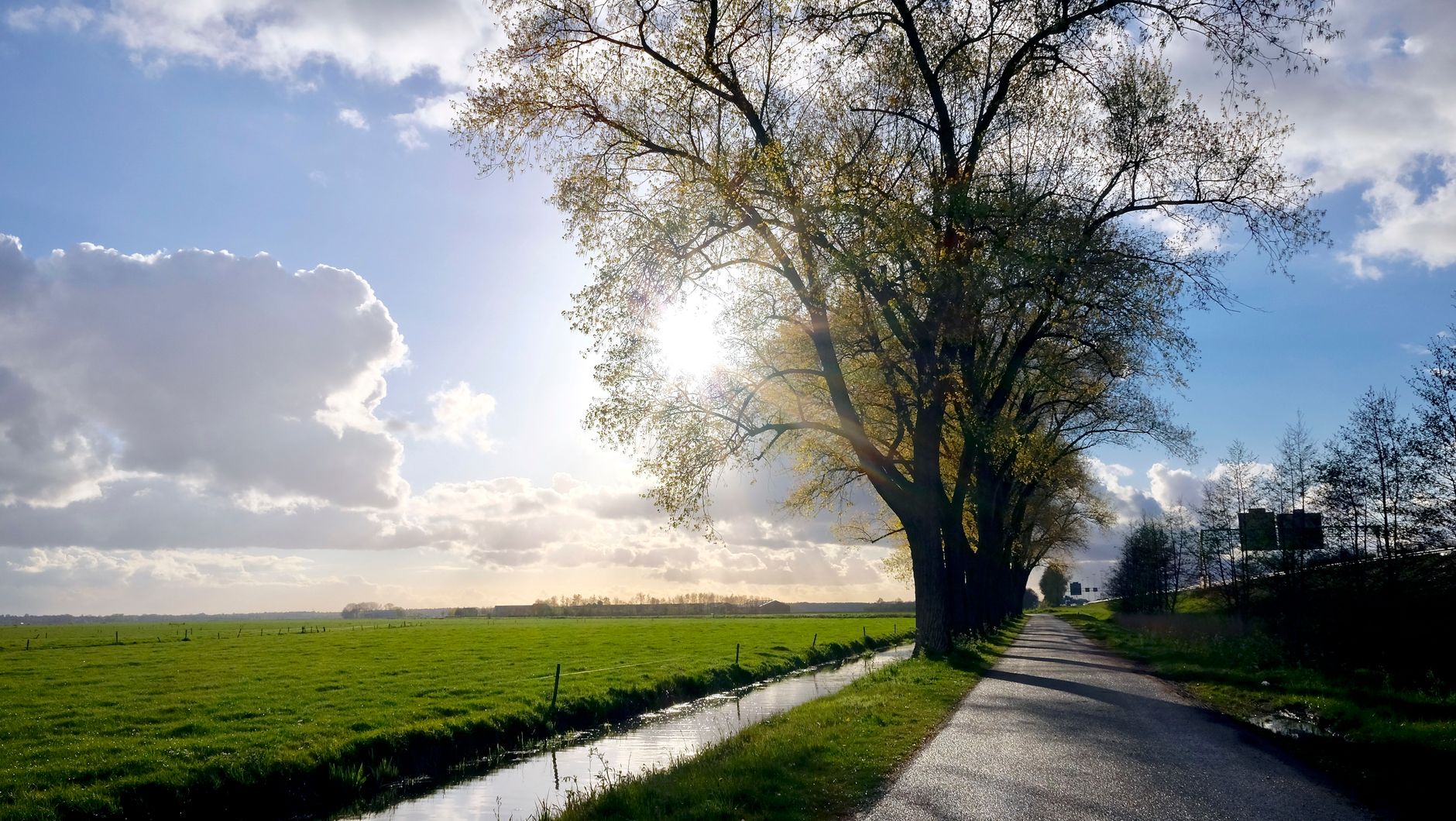
From the Wittevrouwensingel you are on a marked cycle route within a minute. North along the Vecht past Maarssen takes an hour through the country-house belt; east along the Kromme Rijn to Bunnik takes forty minutes through orchards. Rent an OV-fiets at the station for about €4.55 a day.

The corner cafés around Bekkerstraat and the Wittevrouwensingel are unpretentious, wooden-floored, cash-friendly, with a Utrecht-brewed beer for around €4.20 and a bitterballen plate for €7. Locals, dogs, no music you have to shout over. Most stop pouring around 01:00 at weekends and midnight midweek.
What to see
Hotels near Wittevrouwen
No hotels are listed in Wittevrouwen yet. The nearest ones are on the region page.
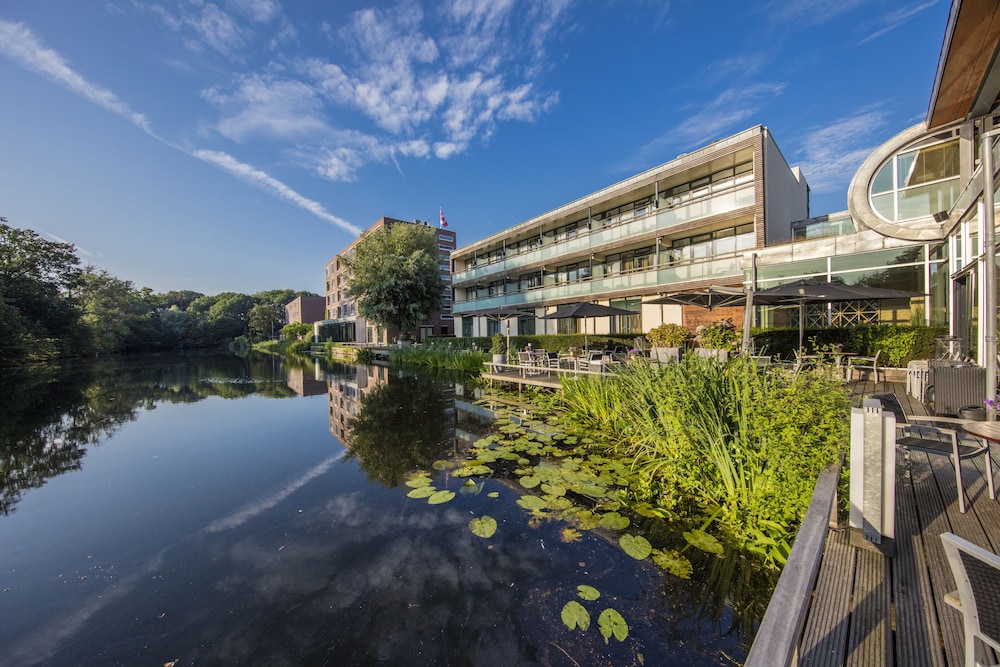
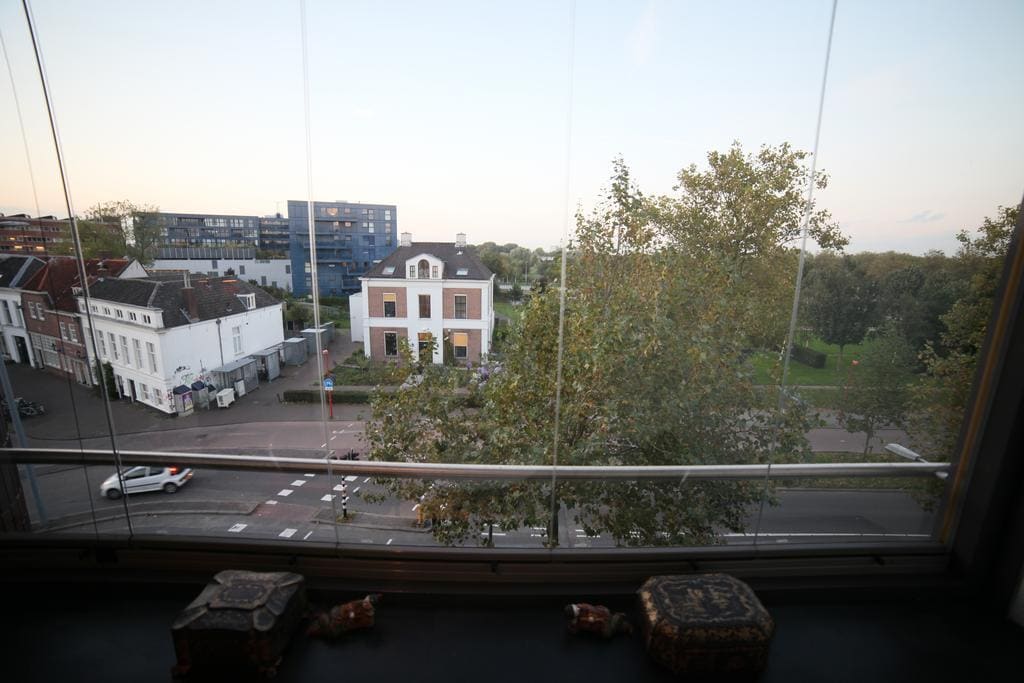
Every hotel we cover in Wittevrouwen
- Stone Hotel & Hostel 2★ · 4.4/5
- Hotel Mitland 4★ · 4.3/5
- Hotel Oorsprongpark 2★ · 3.5/5
- B&B de singel 4★
- Malie House 4★
- Obrecht Welcome 3★
- Sunshine Suites 3★
- This Must Be The Place 3★
- Utrecht City Apartments Huizingalaan 3★
- Hotel De Admiraal 2★
- Villa Cornelia Apartment 2★
Getting around Wittevrouwen
From Utrecht Centraal, city buses along the Biltstraat corridor reach Wittevrouwen in 6-8 minutes, or walk it in 20 through the centre. From Schiphol, take the train to Utrecht Centraal, 30 minutes for about €11.50, then bus or bike. Inside the neighbourhood, everything is a five-minute walk and everyone cycles: the Dom is 6 minutes by bike, Utrecht Science Park about 12, and the Vecht towpath starts at the top of the Oudegracht at Weerdsluis. There is on-street parking, but it is paid permit-holder territory during the day with visitor rates near €4 an hour, so leave the car at a P+R.
Questions about Wittevrouwen
It is directly outside the moat. Neude is a 7-minute walk from Poortstraat, Domplein about 12, Utrecht Centraal 20 minutes on foot or 8 by bus. On a bike you are at the station in six minutes. In practice you never take transport within the city from here.
Yes — it is a family residential area with lit streets and constant bicycle traffic until late. The singel path is quiet after midnight and the Griftpark is unlit in places, so most residents take the street route rather than cutting through the park after dark. Normal city sense is enough.
Very few. The stock is B&Bs, guesthouses and holiday apartments in nineteenth-century houses, typically €95-150 a night with breakfast. That means no 24-hour reception, no lift, and check-in windows you need to respect. If those matter, book in the Binnenstad and walk over for dinner.
Yes. It was a coal gasworks, and the pollution was severe enough that the ground was enclosed by an underground barrier wall and the groundwater is still treated. The park above it opened in 1999 and is completely safe to use; the pumping installation is visible near the northern edge if you look for it.