The 6 best live music venues in Utrecht, ranked
 Crowd at a small Utrecht music venue lit in red with a band on a low stage
One building holds five concert halls stacked on top of each other; a canal cellar puts a blues band a metre from your beer — 6 Utrecht venues ranked by what a €10-30 ticket actually buys.
How Utrecht's music scene is shaped
Utrecht punches far above its size musically for two reasons: a huge student population that fills small rooms on a Tuesday, and a decision in the 2010s to consolidate the city's concert life into one enormous building beside the station instead of scattering it. The result is a scene with a strong centre and a healthy fringe — DIY collectives, industrial halls in the Werkspoor district, cellar bars on the Oudegracht, and church acoustics for early music. Ticket prices are low by European standards: €10-25 for club shows, €30-60 for touring names.
The ranking below weighs programming quality, sound, and whether the room itself adds anything, plus how easy it is to get a ticket without planning a month out. Two calendar notes to build a trip around: an internationally regarded festival of adventurous and experimental music takes over the big venue and satellite spaces in the city each November, and a major early-music festival fills the churches and halls in late summer. Check both organisers' own sites for 2026 dates, line-ups and pass prices rather than trusting third-party listings.
1. TivoliVredenburg — five halls in one building, and a free lunchtime programme
The concrete-and-glass block behind Vredenburg contains five separate auditoria stacked vertically: a big pop hall for roughly two thousand, a classical hall built as a shoebox with balconies wrapped around the orchestra, a mid-size room, a black-box club space and a small top-floor room with a view over the roofs. On a busy Friday all five run at once and you can hear a symphony, a techno set and a folk trio without leaving the building. Bars on every level, and one of the best sound systems in the country in the main hall.
It is unbeatable for range. Tickets run €15-25 for local and emerging acts, €30-60 for international names, and free or donation-based lunch concerts appear in the programme regularly — worth checking on the day you arrive. The honest catch: it is a big institution with the atmosphere of a big institution, the stairwells are a maze, and the cheap standing tickets in the pop hall put you behind a lot of tall Dutch people. Book classical seats in the middle balconies, and arrive 30 minutes early to find your hall.
2. EKKO — the 300-capacity room where bands break
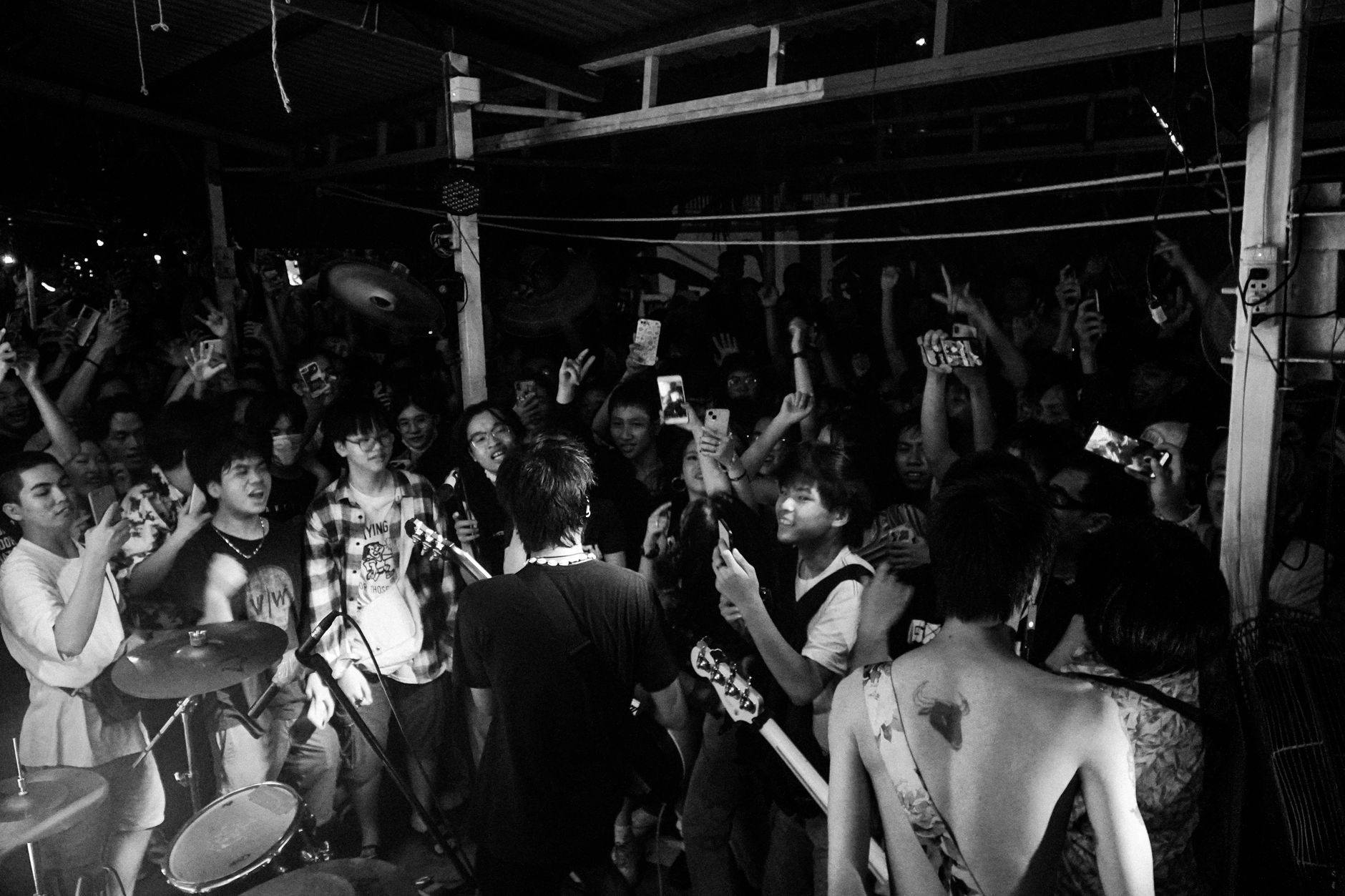
EKKO on Bemuurde Weerd, ten minutes' walk north of the Neude, is the venue that Utrecht music people are loyal to: a low-ceilinged room for a few hundred people with a proper booker, guitar bands and electronic acts on the way up, and club nights that run late at weekends. Tickets sit in the €10-20 band, sometimes less for locals, and you are close enough to the stage that a loud snare is a physical event. Bring earplugs, which the bar sells cheaply.
This is where to go if you would rather see someone before they are expensive than after. The programming leans indie, post-punk, experimental and dance, and the crowd is student-heavy midweek and broader on Saturdays. Practical notes: capacity is genuinely small, so popular shows sell out weeks ahead — buy online rather than turning up. The venue sits on a busy canal road; cycle and use the racks, since street parking here is expensive and scarce. Afterwards, the bars on Voorstraat are five minutes away and open past 02:00 at weekends.
3. 't Oude Pothuys — free live music in a 14th-century cellar
Down the wharf steps on the Oudegracht, this cellar bar puts a band on almost every night of the week, usually blues, rock or soul covers, usually free with a hat passed round or a small charge. The vault is medieval brick, the ceiling is low enough to worry about, and the band plays a metre from the front row of drinkers. Beer runs €3.50-5.50. In summer there is a terrace on the water; in winter the cellar fills with condensation and everybody sings along, which is either wonderful or unbearable depending on your tolerance.
It ranks third because the value is extraordinary — a night of live music in a genuine Utrecht wharf cellar for the price of two beers — while the programming is unambitious by design. Do not come expecting new music; come for atmosphere and a Tuesday night that costs nothing. Arrive before 21:00 for a seat with sightlines, and expect it packed at weekends with a mixed crowd of students, locals and visitors who found the steps. If you want the same cellar setting with a jazz or singer-songwriter slant, check the other wharf-level bars along the same stretch.
4. dB's — the industrial hall for loud music
Out in the industrial belt off the Cartesiusweg, dB's is a warehouse venue with a wide stage, an unfussy bar and a booking policy built around punk, metal, noise, hip-hop and heavy electronic music. Tickets are cheap at €10-20, the sound is loud and clear, and nobody cares what you are wearing. It doubles as a rehearsal and studio complex, so the crowd includes a lot of local musicians, which changes the atmosphere for the better. Big rooms and cheap beer make it the best value on this list per decibel.
The catch is location: it is a 15-minute cycle or a bus ride from the centre, through a district of workshops and depots that feels bleak at midnight, so go by bike with lights or plan the night bus. There is little else open nearby, so eat before you come. This ranks fourth only because the room is functional rather than atmospheric — it is a shed with good sound. If the line-up on your dates includes a heavy or experimental act you care about, move it up to second.
5. ACU — collective-run, political, and the cheapest night out in the city
On Voorstraat, ACU is a volunteer-run cultural collective with a bar, a small venue upstairs and a kitchen serving cheap vegan dinners on set evenings, often €5-8 for a plate. The music is punk, hardcore, experimental and international touring DIY acts, with entry frequently at €5-12 and door prices sliding for those who cannot pay. It is unpolished, plastered in posters, and run to a clear set of house rules about behaviour — read them, they are posted, and they are enforced.
This is the place to understand a strand of Dutch city culture that predates the gentrified canal centre: squat and collective venues that shaped Utrecht's music scene from the 1980s onward. Cash still helps at the door and the bar. Dinner service ends early, so arrive by 19:00 if you want to eat. It ranks fifth because the programming is narrow by intention and the comfort level is low — no cloakroom luxuries, no reserved seats — but the value and the honesty are unmatched, and the walk home to the Binnenstad is five minutes.
6. The churches, and the big industrial halls
Two categories that share sixth place. First, the churches: the Domkerk holds free organ recitals on Saturday afternoons in an acoustic built for exactly that sound, and the Geertekerk and Pieterskerk host chamber and early-music concerts, particularly during the late-summer early-music festival. Programmes and start times change, so check each church's own listing. This is Utrecht's best cheap culture — the Dom carillon and organ cost nothing and put you inside a building begun in the 13th century, with the stone doing half the work.
Second, the repurposed industrial halls: the Werkspoor district north-west of the centre and the Rotsoord area to the south host big one-off concerts, raves and festivals in old rail-works and factory buildings, and the club by the Vaartsche Rijn at Rotsoord runs late electronic nights. These are event-led rather than nightly venues, so they only make sense if something is on when you are here. Check listings a week ahead, budget €15-35, and plan a bike or night bus home — both districts are quiet and dark after midnight.
Booking, timings and what to skip
Practicalities that catch visitors out. Dutch shows start on time and finish early: doors at 19:30 and a headliner off stage by 22:30 is normal for seated shows, while club nights run 23:00-04:00. Buy tickets on the venue's own site to avoid resale mark-ups; small rooms sell out weeks ahead and the door often has nothing. Most venues take cards only at the bar. Cloakrooms charge €2-3. Coats are compulsory to check at some venues in winter, so factor it into your cash.
What to skip: the Irish-themed pubs near the station with duo covers on a Saturday, and any tourist-facing dinner-and-music package. Utrecht does not need them at these prices. Also skip trying to fit two venues into one evening unless they are in the Binnenstad — dB's and the Werkspoor halls are on the other side of the tracks. If you have one night in the city and no strong genre preference, look at what is on in the five halls beside the station first, then check the small room on Bemuurde Weerd, and book whichever line-up excites you more.
Before you book
The questions people ask about Utrecht, answered with this month’s numbers.
Small-venue shows run €10-20, mid-size touring acts €25-40, and big names in the main pop hall €40-60. Collective-run venues charge €5-12 with sliding-scale doors. Add €2-3 for the cloakroom and budget €4-6 a beer. Free options exist: lunchtime concerts at the big venue and Saturday organ recitals in the Domkerk.
Two. An internationally respected festival of adventurous, experimental and non-Western music takes over the big venue and satellite spaces in November, and a large early-music festival fills the city's churches and halls in late summer. Check each organiser's own site for the 2026 dates, pass prices and single-ticket availability before booking flights or a hotel.
Seated concerts often end by 22:30; club nights run until 03:00 or 04:00 at weekends. The Binnenstad venues are all within a 15-minute walk of each other, so walking is easiest. For dB's or the Werkspoor halls, cycle with working lights or check the night-bus network's routes and frequencies with the regional transport operator.