Should you drive in Utrecht? Parking, P+R and the bollards nobody warns you about
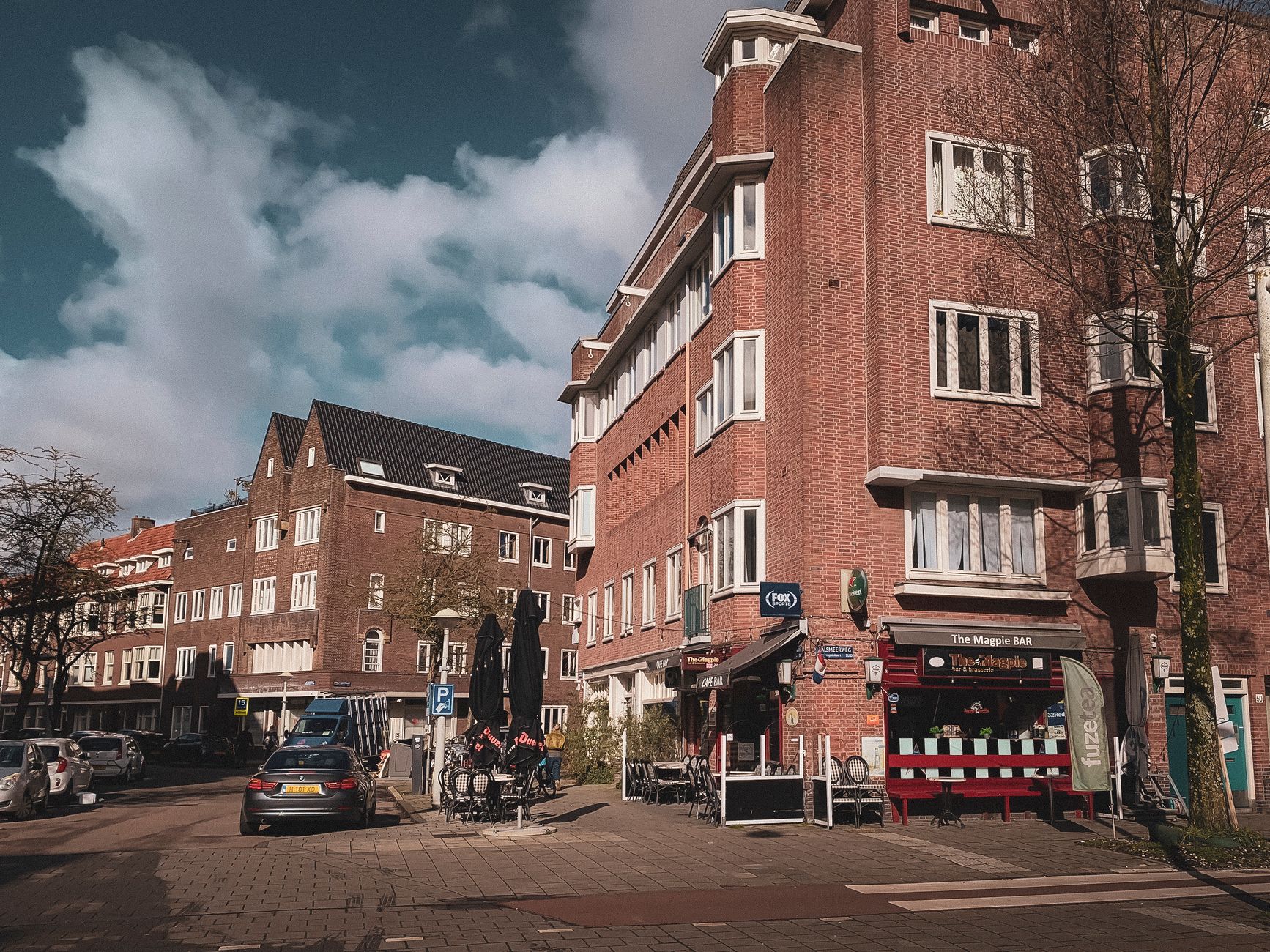
 Retractable bollards and a narrow one-way street at the edge of Utrecht's car-restricted centre
Driving into Utrecht's centre is the single most expensive mistake a visitor can make, with garage day rates around €30 to €40 and 3 kinds of access restriction to trip over first.
The short answer: don’t drive into the centre
Do not drive into Binnenstad. The medieval core is a maze of one-way lanes, bus gates, retractable bollards and permit-only sections that were designed to make through traffic impossible, and they succeed. Even locals with cars park them on the edge and walk or cycle in. A visitor who follows a sat-nav straight at the Oudegracht will meet a bollard that only drops for permit holders, then discover that reversing out is not really an option on a street 4 metres wide with cyclists coming both ways. There is no scenario where this saves you time.
A car is genuinely useful in this province, though, just not in the city. It unlocks the Utrechtse Heuvelrug ridge, the castles around Doorn and Wijk bij Duurstede, the Kromme Rijn villages, and the small towns like Oudewater and Woerden where trains and buses go but slowly. The workable pattern is to base yourself in Utrecht without a car, then hire one for a day or two, or to stay outside the ring in Zeist, De Bilt or Houten and commute in by train. Pick your accommodation before you pick your transport.
Access restrictions: what actually stops you
Three separate systems limit driving here. First, physical restrictions: bollards, bus-and-taxi-only gates, and one-way patterns that funnel you back out of the centre. Second, an environmental zone covering the inner city that bars older diesel cars, with a cut-off year set by the municipality. Third, a zero-emission zone applying to delivery vans and lorries, which matters if you have hired a van for a move or a camper. Camera enforcement is normal here and fines arrive by post, including to addresses abroad.
Do not rely on this article, or your rental company, for the current rules. Zone boundaries and cut-off years have been changed and extended more than once, and the municipality publishes an official zone map with the current criteria; check it before you drive in, and check whether your specific vehicle is exempt. A typical modern petrol or hybrid hire car from a Dutch depot is unlikely to fall foul of the emission rules, but an older private diesel driven from abroad may. If you are staying in the centre and the hotel has parking, ask them for the exact approach route rather than trusting the map app.
What parking costs, and where
On-street parking in the centre is priced to deter you, in the region of €5 to €7 an hour in the innermost zones, dropping as you move outward through Wittevrouwen, Lombok and Utrecht Oost, where residents' permit rules take over instead. Payment is by machine or app; there is often no free evening window in the core, and Sunday is not automatically free either. Practically, on-street is only worth it for a 30-minute drop-off. For anything longer, a garage is both cheaper per hour and far less stressful.
The public garages ringing the centre — around Vredenburg, Springweg, Paardenveld and the station complex — typically run in the region of €4 to €5 an hour with a daily maximum roughly in the €30 to €40 band, and some sell cheaper evening or weekend tariffs. Book online where the operator offers it, because pre-booked rates undercut drive-up rates. Height barriers are usually around 1.9 to 2 metres, which rules out roof boxes and most vans. Verify tariffs on the operator's own site, as they move every year.
P+R: the option locals actually use
Utrecht's park-and-ride sites are the honest answer for anyone arriving by car for a day or two. The main ones sit where the motorway network meets the tram and bus network: Westraven and Papendorp on the south and west sides, and the Science Park site on the east. You leave the car in a large, lit, camera-covered lot and take a tram or bus in, and the combined tariff has generally worked out at somewhere in the €5 to €6 range per car per day including onward travel for up to five people, on defined conditions.
Those conditions are the catch: the cheap combined rate has historically applied only when you actually travel onward by public transport, sometimes only within set hours, and there are separate rules for overnight stays. Check the municipality's current P+R page before relying on the price, and keep your travel proof. Even at full rate, P+R undercuts a centre garage by a wide margin, and the ride in takes 10 to 20 minutes. If your hotel is in Binnenstad and has no parking, this is the setup I would use rather than paying €35 a night to a garage.
The ring roads, and when not to be on them
Utrecht sits on the busiest road junction in the country. The A2, A12 and A27 all meet around the city, and the A12 corridor between Utrecht and the west, plus the A27 north toward Amersfoort, are reliably congested on weekday mornings roughly 07:00 to 09:00 and again from about 16:00 to 18:30. A 20-minute drive from Nieuwegein or Houten can double at those times. Long-running roadworks on the ring have been a fixture for years, so check a live traffic service on the day rather than assuming a clear run.
The practical consequences for a visitor: schedule airport runs outside those windows, and if you are day-tripping to the Heuvelrug or the castles, leave the city before 09:00 or after 10:00 and come back before 16:00. Weekend traffic is lighter on the ring but heavier on the small roads through Doorn, Driebergen and Maarn on sunny days, where cyclists come in packs and the lanes are narrow. Drive slowly there, expect to be overtaken by nothing and to overtake nobody, and treat cyclists as having priority whether or not the paint says so.
Hire cars, EVs and the fuel question
If you only need a car for the castle and ridge days, hire from a depot near Utrecht Centraal or on the west side near Jaarbeursplein rather than at the airport, which saves you driving the A2 twice. Expect a modern petrol or hybrid compact, automatic gearboxes at a premium, and a fuel policy of full-to-full. Fuel at motorway stations is markedly more expensive than at supermarket-adjacent stations off the ring; filling up in Nieuwegein or Houten rather than on the A12 is a real saving on a full tank.
Electric cars are easy here by European standards. Public charge points are dense in residential streets and at the P+R sites, and most centre garages have chargers, though the bays are often occupied. You need an app or a roaming charge card; take two providers, because a single app failing at 21:00 in a garage in Kanaleneiland is a bad evening. Charging costs vary by operator and time of day, so check the price on the point before you plug in rather than assuming the rate you paid yesterday still applies.
The verdict, by trip type
A two or three night city break: no car. Arrive by train, walk, and hire a bike for €10 to €15 a day. A week with children based in the city: no car for the first four days, then one hire day for the Heuvelrug, Doorn and Wijk bij Duurstede, using P+R on the return so you are not paying garage rates overnight. A trip based in Zeist, Bilthoven or Baarn: a car makes sense, because those places have parking and the countryside starts at the doorstep, but still take the train into Utrecht itself.
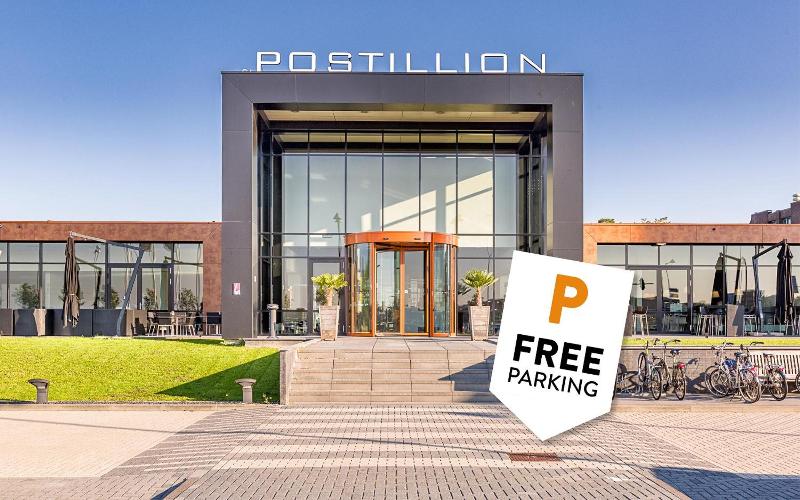
The one case where driving into the city genuinely works is a hotel outside the medieval ring with its own barrier-controlled car park, reached from a ring road rather than through the centre. Those exist on the west side near the exhibition halls, along the Kanaleneiland and Papendorp corridors, and out toward Rijnsweerd and De Uithof. You trade a 10 to 20 minute tram or bus ride for predictable parking, which for a family with luggage is often the right trade. Ask about height limits and overnight charges when you book, because free parking is not the same as included parking.
Before you book
The questions people ask about Utrecht, answered with this month’s numbers.
Not usefully. Streets within and just outside the ring are metered or permit-only, and enforcement is active. The nearest thing to free is a P+R site with a low combined tariff, generally around €5 to €6 a car including onward travel, subject to the municipality's current conditions.
Possibly. An environmental zone covers much of the inner city and bars older diesels, with a cut-off year set by the municipality and camera enforcement that posts fines abroad. Check the official zone map and criteria for your registration before driving in; do not rely on your hire desk.
Roughly 45 minutes off-peak on the A4 and A2, and up to 90 in rush hour. The train takes about 35 to 40 minutes with several departures an hour and no parking to solve, which is why almost everyone takes it, including people who have a car waiting.
Sometimes, on a specific approved route, and only if the hotel tells you which one. Bollards and bus gates block most direct approaches and camera fines follow. Ask the hotel for exact loading instructions in advance, or use a garage on the ring and walk the last 300 metres.