Hotels with EV charging in and around Utrecht, ranked
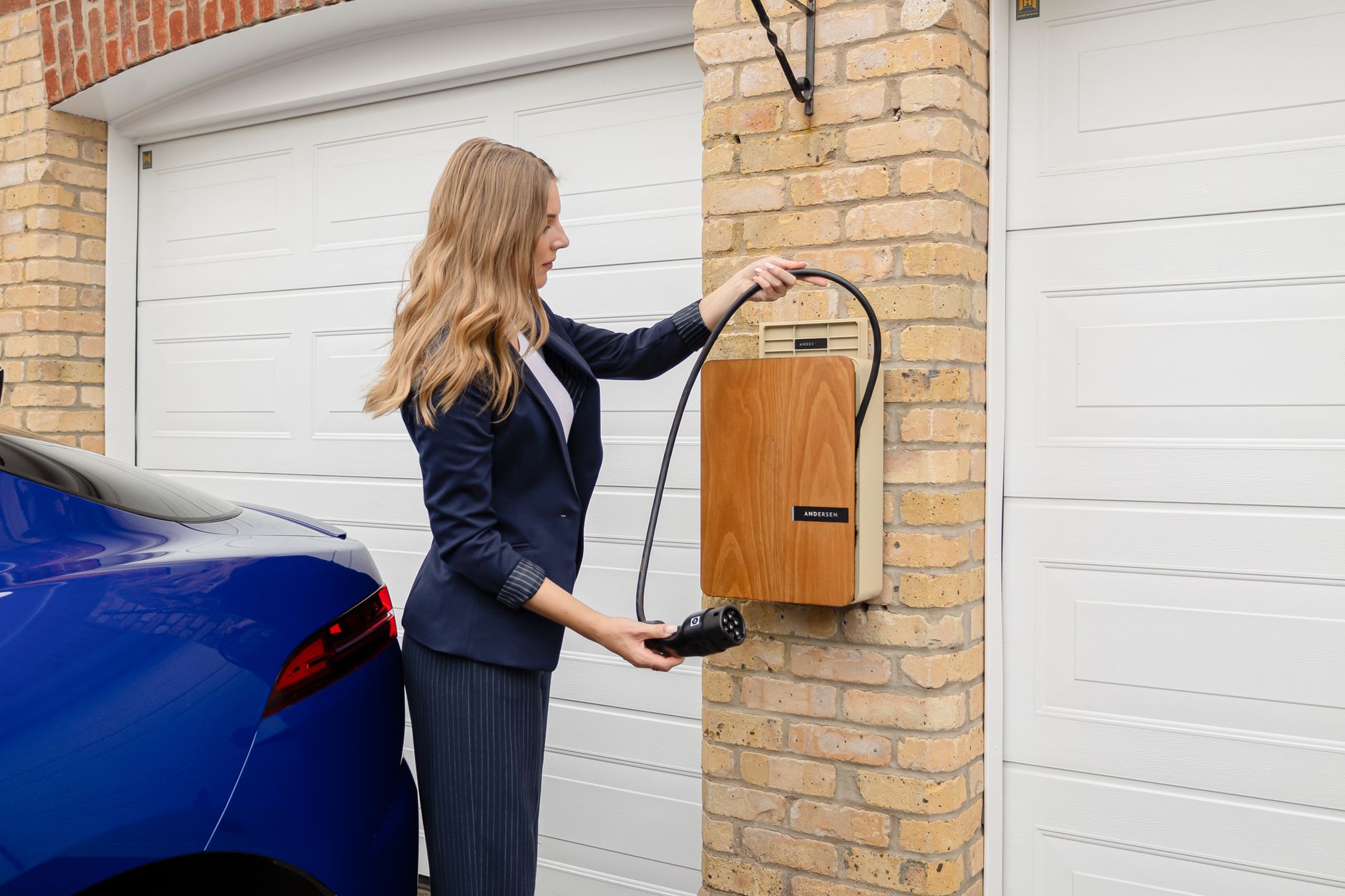 Electric car plugged into an 11kW charging post in a hotel car park near Utrecht
Utrecht is one of the most charger-dense cities in Europe, but hotel charging still ranges from 12 posts to one extension lead — here are 9 options ranked by how confidently you will leave with a full battery.
Why hotel charging in Utrecht is easier than most cities — and still goes wrong
The Utrecht region has an unusually thick network of public AC posts on residential streets, plus fast-charging hubs on the A2, A12 and A27 corridors. That means you rarely need the hotel to charge you: a 150-350 kW stop on the way in will do the job in 20-30 minutes. Where hotels matter is overnight top-ups, and there the reality splits sharply between purpose-built car parks with six to twelve 11 or 22 kW posts, and small city hotels whose charging amounts to one shared post that a colleague occupied at 17:00.
The second complication is that most central Utrecht hotels have no car park at all. Inside the singel, hotel guests park in public garages — Springweg, La Vie, Vredenburg, Grifthoek — or in the surrounding permit zones. Several of those garages have chargers, but bays are limited and priced by the garage, not the hotel, so a hotel that advertises charging may mean a nearby garage's posts. Ask which, and how many. Below, I rank on the only metric that matters: the probability of a free plug at 22:00.
1. The A12 and Papendorp chain hotels
The most dependable overnight charging in the region sits at the large chain and conference hotels on the western and southwestern ring: Papendorp, Winthontlaan, Europalaan and the De Meern-Leidsche Rijn junctions. These properties typically own their car parks and have installed banks of AC posts, often eight or more, sometimes with a couple of 50 kW DC units. Rates run €95-160 for a double, parking is usually free or €5-12 a night, and Fastned-style fast chargers sit within a few minutes on the motorway approaches as a backup.
Overnight 11 kW charging adds roughly 70-80 kWh across ten hours, which is a full battery for almost everything on the road. Two catches: many of these hotels host conferences, so posts fill by late afternoon on weekdays, and idle fees after a set number of hours are increasingly common — expect to be charged for occupying a bay you have finished with. Prices per kWh at hotel posts generally land between €0.35 and €0.60, above home rates and above the cheapest public networks. Book here if the battery is the priority.
2. Leidsche Rijn and De Meern
Newer construction west of the canal means newer electrical infrastructure. The hotels serving Leidsche Rijn and De Meern typically pair free surface parking with several 11 kW posts and, crucially, quiet weekday evenings when the business fleets have gone home. Rates of €100-150 make this the value pick, and the A2-A12 junction gives you fast options minutes away if the hotel posts are taken. Utrecht Leidsche Rijn and Vleuten stations put the centre 8-15 minutes away, so you can leave the car plugged in and take a train into town.
That last point is the real argument for staying out here. Driving into central Utrecht is deliberately unpleasant — one-way systems, bus gates, camera enforcement, environmental-zone restrictions on older diesels, and garage rates that make a day trip expensive. Verify the current low-emission and zero-emission zone rules with the municipality before you drive in, particularly if you are in a van. Park once at the hotel, charge, and use rail or a bike. For a two-night stop mid-road-trip, Leidsche Rijn is the smartest booking in this list.
3-4. Nieuwegein, Houten and Vianen: cheap kilowatt-hours
South of the city, the roadside hotels around Nieuwegein, Houten, IJsselstein and Vianen offer the lowest rates with real charging, €85-135 for a double, free parking and typically two to six AC posts. Vianen sits right on the A2 with substantial fast-charging capacity nearby, making it a natural overnight for anyone driving between Amsterdam and Den Bosch or Belgium. Houten and Nieuwegein add rail and tram links respectively, so the car can stay plugged in all evening.
Be realistic about post numbers here. Two posts in a 120-room hotel is a lottery, and there is no reservation system at most properties — first come, first served, with no guarantee. If your battery genuinely needs the overnight, arrive before 18:00 or plan a fast-charge stop en route so you are not dependent. Verify with the hotel whether posts are guest-only or shared with a neighbouring office, because shared installations in business parks are common and weekday competition is fierce. Take this tier for price, not for certainty.
5-7. The Heuvelrug estates: Zeist, Bunnik, Doorn, De Bilt
The country hotels east of Utrecht have been retrofitting chargers steadily, and many now offer two to six 11 kW posts in gravel car parks under the beeches, at €140-225 a night. Because these hotels are car-dependent by nature, guests arrive with cars and the posts get used; a wellness weekend with 60 rooms and three posts will not serve everyone. The advantage is that you are staying put — walk in the woods, swim, eat in the hotel — so charging time is not competing with your plans.
Practical note for this belt: there are public posts in the village centres of Zeist, Doorn and Driebergen, and a fast-charging site or two on the A12 near Bunnik and Driebergen-Zeist, so the fallback exists but requires a short drive. Rural cable runs mean some estate posts are limited to 7-11 kW even where the connector implies more; ask for the actual delivered power. Book here if the trip is about the Heuvelrug rather than the city, and reserve a charging bay by email if the hotel offers that at all.
8-9. Central Utrecht: garages, not hotels
If you insist on sleeping inside the canal ring, treat charging as a separate purchase. The public garages around the centre — Springweg, La Vie by the station, Vredenburg, Grifthoek on the northeast side — carry charging bays, generally a handful each, priced by the garage operator with parking on top; combined overnight cost commonly lands in the €25-45 range depending on garage and duration. Reserve a garage space in advance where the operator allows it, and expect the charging bay itself to be unreservable.
The alternative that locals use is the P+R strategy: leave the car at P+R Westraven or P+R Papendorp, where parking is cheap and combined with a public-transport ticket into the centre, and use street posts near the P+R if available. Confirm current P+R pricing and conditions with the transport operator, as the combined tariff and validity rules change. My verdict for this whole list: book the A12-Papendorp chains for guaranteed charging, Leidsche Rijn for value plus a train, and a canal-house hotel plus a garage bay only if the location genuinely matters more than the battery.
Questions that prevent a wasted evening
Ask how many posts, at what power, and whether they are guest-exclusive. Ask whether charging is included in the room rate — a shrinking number of hotels still bundle it, and where they do, expect a cap of 20-40 kWh or a fair-use clause. Ask which networks or apps the posts accept: most Dutch hotel posts run on roaming-enabled charge-point cards, and a few still require the hotel's own RFID card from reception. Ask about idle fees and the grace period. And ask whether the car park is gated overnight, because a locked barrier at 23:00 has ended more than one late arrival badly.
Finally, plan the region's geography around one fact: Utrecht Centraal is the busiest rail junction in the Netherlands, with 20-40 minute journeys to Amsterdam, Rotterdam, Amersfoort, Arnhem and Den Bosch. The efficient EV trip here is not driving into the city at all. Park and charge on the ring, take the train or a bike into the centre, and you avoid the environmental-zone rules, the bus gates, the cyclists who genuinely have priority, and the €4-6 an hour garage tariffs. That single decision saves more money than any charging tariff comparison.
Before you book
The questions people ask about Utrecht, answered with this month’s numbers.
Usually yes. Expect roughly €0.35-0.60 per kWh billed through your charge card or added to the room bill, plus parking where applicable, and increasingly an idle fee if you leave the car connected after charging finishes. A small number of hotels still include a capped amount in the room rate.
Yes. High-power hubs sit along the A2, A12 and A27 approaches and at service areas around Papendorp, Vianen and Bunnik, typically delivering 150 kW or more. That makes a 20-30 minute stop a realistic alternative to fighting for a hotel post, and it is often cheaper per kWh.
Electric cars are not the problem; the centre is. One-way loops, bus gates, camera enforcement and permit-only parking make driving in slow and expensive, and low-emission rules affect older vehicles and vans. Check current zone and access rules with the municipality, then park at a P+R and take the tram or bus.
The Leidsche Rijn and De Meern hotels on weekday evenings, because they combine larger post counts with guests who leave after the working day. The A12 conference hotels have more posts but also more competition; the Heuvelrug estates have the fewest posts relative to rooms.