Is Utrecht manageable with a wheelchair or a pushchair?
 Steep stone steps leading from a Utrecht canal street down to the wharf level below
Mostly yes at street level and completely no on the wharves — Utrecht's canals sit a full storey below the road, reached by around 20 steep stone steps with no lift anywhere along the 2 kilometres of the Oudegracht.
The honest overall verdict
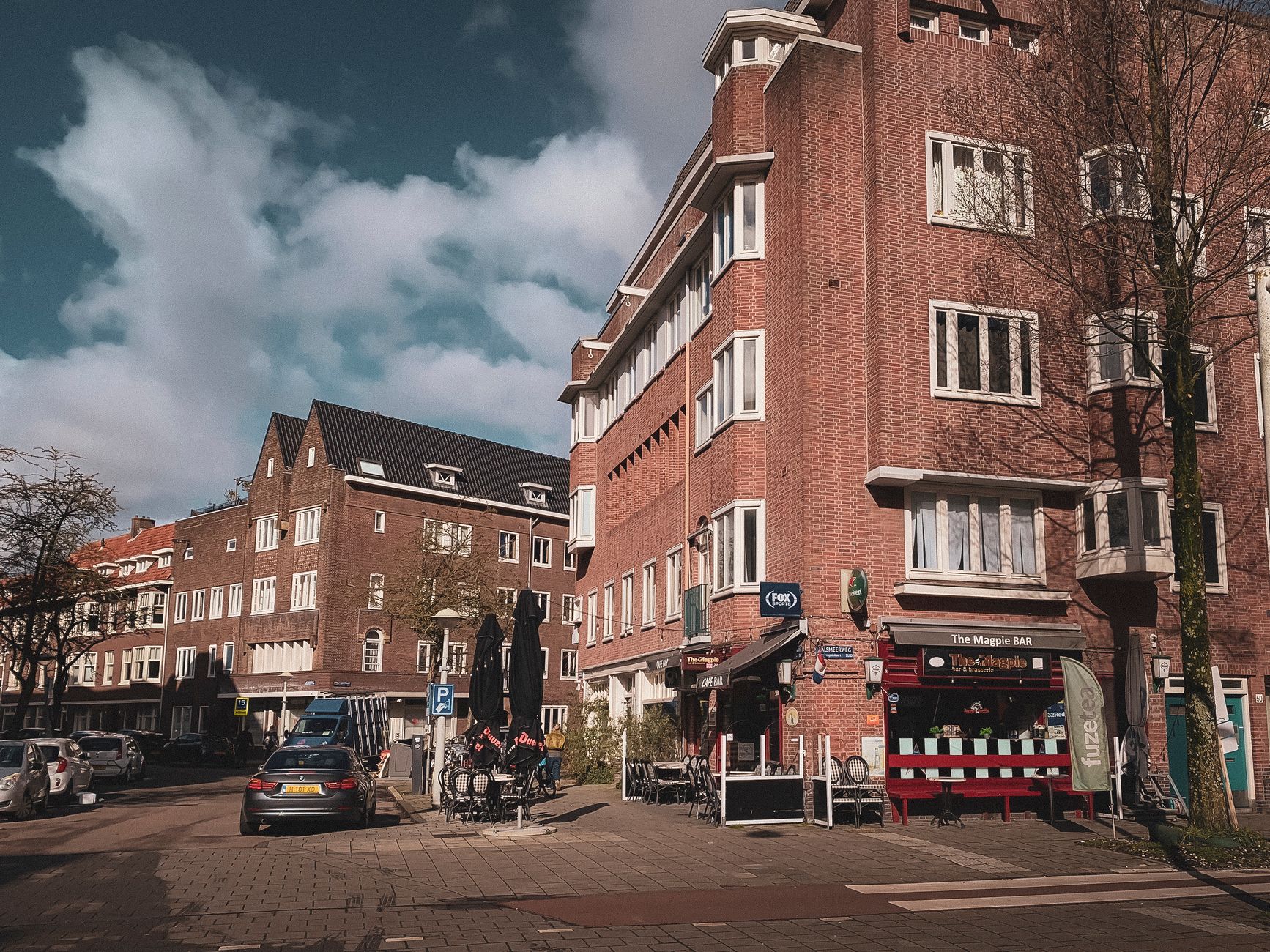
Utrecht is easier than Amsterdam and harder than a modern Dutch new town. The upper street level of the Binnenstad is flat, kerbs are generally dropped at crossings, the station is fully lifted, and the trams and buses are low-floor with ramps. What defeats wheels is the surface and the split-level canal. Most of the historic core is paved in small clay bricks laid in herringbone, which vibrates a wheelchair and rattles a sleeping baby, and the celebrated wharf terraces beside the water are reached only by narrow stone stairs built in the fourteenth century for unloading barges.
So plan a trip that lives on the upper level. From that level you can see the canal, the Dom Tower, the Domplein, the museums and every shopping street, and you can eat well without ever going down. The one thing you genuinely cannot do is sit on the wharf with your feet near the water, and no amount of research changes that. If someone in your party uses a manual chair, an assistant for the brick sections makes the difference between a pleasant day and an exhausting one; electric chairs and off-road-tyred pushchairs cope far better.
The wharves, the cobbles and the routes that work
The Oudegracht runs roughly north-south through the centre with the werf level below it on both banks. Access down is by stone stairs at intervals of every 50 to 100 metres, usually without handrails on both sides, often wet and always steep. There is no lift and there will not be one; the wharves are protected monuments. The Nieuwegracht, quieter and greener, has the same arrangement. Accept the upper level and you lose surprisingly little, because the bridges give you the best views of the wharf cellars anyway.
For smoother surfaces, favour the Singel park path around the old moat, which is asphalt or fine gravel and largely level for its full loop of about 6 kilometres, and the wide pavements of Vredenburg, Steenweg and the Neude. Avoid Lijnmarkt and the tightest lanes on a Saturday, when the brick underfoot combines with crowds. Wilhelminapark and the Griftpark both have made paths and accessible play areas, and Máximapark out in Leidsche Rijn is entirely flat with wide asphalt routes if you want a genuinely easy afternoon.
Trains, trams and buses
Utrecht Centraal is step-free throughout: lifts to every platform, level or ramped access from Hoog Catharijne and Stationsplein, and accessible toilets on the concourse. NS offers a free travel assistance service where staff meet you, deploy a boarding ramp and hand you over at your destination station. It must be booked in advance — the required notice period has been shortened over the years and is currently short, but it is a rule set by NS and worth confirming when you book, along with which smaller stations are staffed for assistance at all.
Trams on both Utrecht branches are low-floor with level or near-level boarding from raised platforms, and U-OV buses have kneeling suspension and a manual ramp the driver deploys on request; board at the middle door and make eye contact with the driver before the doors close. Wheelchair spaces are single and can already be occupied at peak times, particularly on the Utrecht Science Park tram when the university day ends around 17:00. Travel mid-morning or early afternoon and you will almost always find the space free.
Museums ranked by how well they actually work
Museum Speelklok, the self-playing musical instrument museum on Steenweg, is the strongest pick: lift access to the upper floors, the core experience is a guided demonstration you watch from wherever you like, and the ground floor is generous. The Centraal Museum in the Museumkwartier is next, with level entry, lifts between galleries and wide circulation, though its courtyard has cobbles. The Spoorwegmuseum, the national railway museum in Utrecht Oost, is largely flat across its huge former station hall, which makes it the best big-ticket day out with a pushchair, though a couple of ride attractions have steps.
Two to think twice about. The Dom Tower is 465 steps on a guided tour with no lift, full stop, and there is no viewing alternative at height. The Rietveld Schröder House, the UNESCO-listed De Stijl house in Utrecht Oost, has a famously narrow staircase to the transformable upper floor, which is the entire point of the visit; the ground floor alone is a thin experience. Underground sites beneath Domplein involve stairs and confined passages. Contact each museum directly about current access arrangements, as several have altered routes after building work.
Toilets, which is the real planning problem
The Netherlands has fewer public toilets than visitors expect and Utrecht is no exception. Accessible toilets exist at Utrecht Centraal, inside Hoog Catharijne, at TivoliVredenburg, in the larger museums and in department stores, and most charge a small amount, typically under €1, sometimes card-only. Cafés are generally relaxed about customers using facilities but many older canal-house cafés have their toilets down a spiral stair or up a half-flight, which rules them out. Ask before you order rather than after.
Two practical moves. Download one of the Dutch toilet-finder apps that maps accessible facilities and their opening hours, and plan your day in a loop around three known points rather than wandering. If you need a changing table, the shopping centre and the big museums are reliable; small canal cafés are not. A Euro-key style radar key opens some accessible facilities in the Netherlands but coverage is patchy compared with the UK, so do not rely on it as your only plan.
Where to stay, by building type
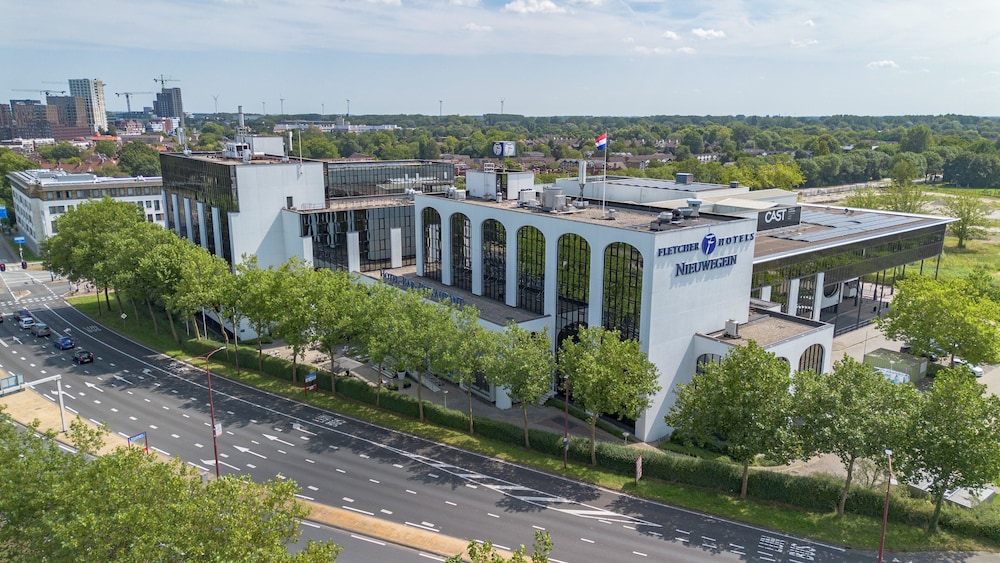
Avoid the canal-house guesthouses in the Binnenstad unless the listing explicitly confirms a lift. These are seventeenth and eighteenth-century houses with staircases pitched at close to 45 degrees, and many have no lift and cannot get one. Charming, and unusable with a chair or a folded pushchair. The purpose-built hotels in the station district and around Jaarbeursplein are the opposite: lifts, level thresholds, roll-in showers in designated rooms, and a five to ten minute step-free approach into the centre via Hoog Catharijne, all indoors and dry.
Outside the centre, the business hotels along the ring road at Rijnsweerd, Papendorp and Leidsche Rijn have the widest doorways and the most parking, usually with a designated bay by the entrance, and rooms typically €90 to €150 a night depending on the week. The trade-off is a bus or tram ride to anything worth seeing. Whichever type you choose, phone rather than email to confirm the door width, the shower type and whether the accessible room is on the same floor as the lift — website icons are unreliable across the board.
Day trips that reward the effort
Amersfoort, 15 minutes by train, is medieval and therefore cobbled, but its main squares and the Eemplein riverside area are workable and the station is lifted. Houten, 10 minutes south, is a purpose-built cycling town with immaculate flat asphalt everywhere and is genuinely the easiest wheeled day out in the province, even if it is short on sights. The Utrechtse Heuvelrug woods east of Zeist have several surfaced forest routes suitable for chairs and all-terrain pushchairs, and some estates lend out off-road wheelchairs; ask the estate office in advance.
The castles are mixed. The grounds at the big estates around Haarzuilens and Doorn are broad and mostly gravel, which is tiring in a manual chair but fine with power, while the historic interiors are stairs-heavy with partial lift access at best. Ring ahead every time and ask two specific questions: is there a lift to the state rooms, and is the route from the car park to the entrance surfaced. The answers vary by property and by season, and staff will tell you honestly rather than sell you a ticket you cannot use.
Before you book
The questions people ask about Utrecht, answered with this month’s numbers.
No. The werf level along the Oudegracht and Nieuwegracht is reached only by steep stone stairs, typically around 20 steps, with no lift anywhere on either canal, and the wharves are protected monuments so that will not change. View the water from the bridges and the upper street level, where the cafés and shops are anyway.
Yes, NS travel assistance must be arranged in advance, and staff then meet you at Utrecht Centraal with a boarding ramp and hand you over at the destination. The notice period and the list of staffed stations are set by NS and have changed over time, so confirm both when booking rather than turning up and hoping.
The Spoorwegmuseum in Utrecht Oost, because the former station hall is enormous and flat, with wide routes between locomotives and space to park a buggy. Museum Speelklok is the best small option thanks to lift access and a seated guided demonstration. Check current access details directly with each museum, as internal routes have changed after building work.
Broadly yes. Trams on both branches board at or near platform level, and U-OV buses kneel and carry a manual ramp deployed by the driver at the middle door. Each vehicle has one wheelchair space, which can be occupied at peak times, especially on the Utrecht Science Park tram around 17:00 when the university empties.