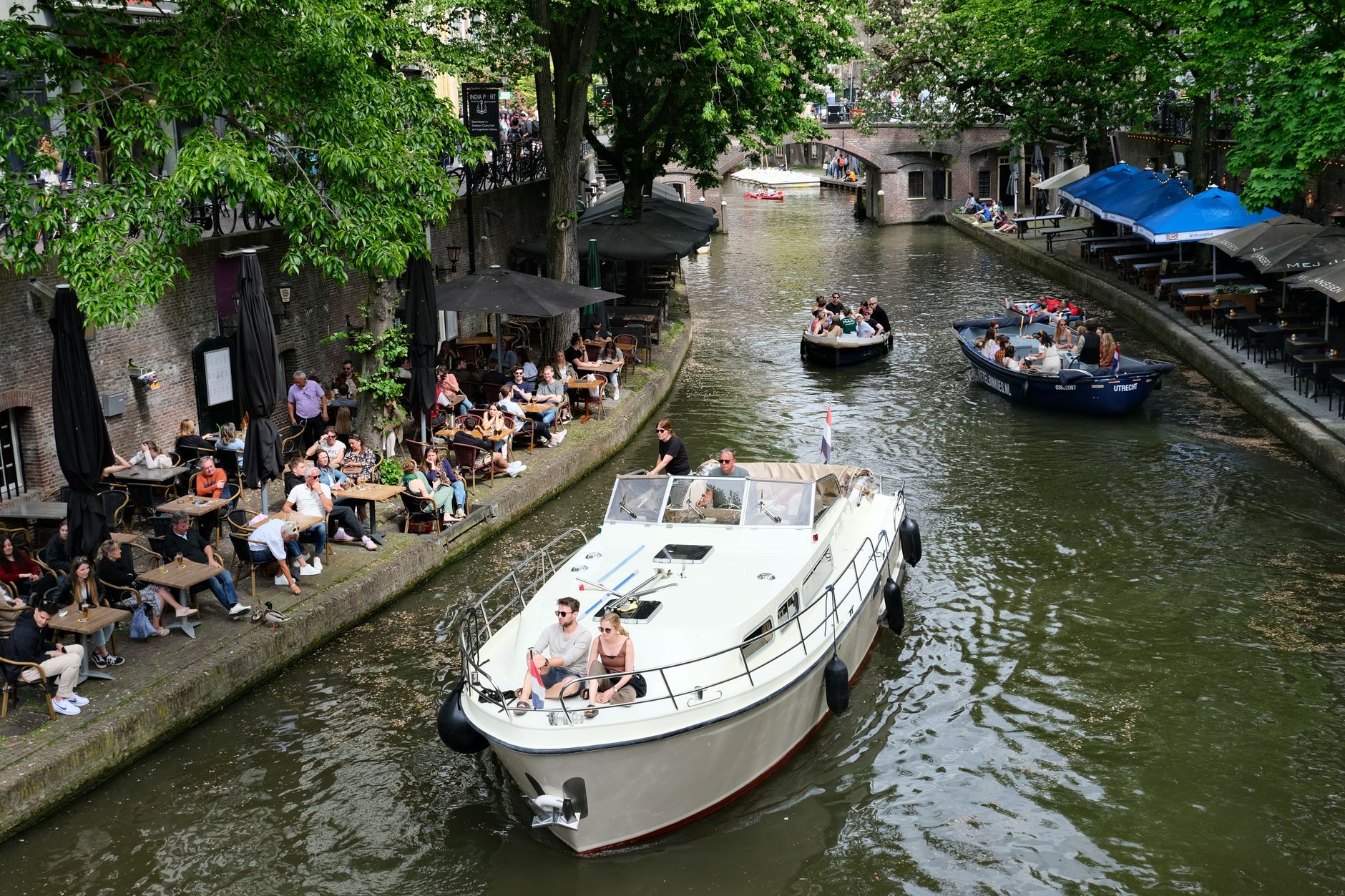
Wijk bij Duurstede
Walled river town on the Lek, once the Viking-age port of Dorestad, with a windmill on the city gate and a working ferry.
 Windmill built over the town gate above the Lek at Wijk bij Duurstede
Why people stay in Wijk bij Duurstede
Wijk bij Duurstede is a small walled town of about 18,000 on the Lek, twenty-five kilometres south-east of Utrecht, and it has a claim no other Dutch town can make: it was Dorestad, the largest trading settlement in north-west Europe in the eighth and ninth centuries, raided repeatedly by Vikings and then abandoned when the river shifted. Almost nothing of that is visible above ground, which is the honest disappointment here. What is visible is a compact seventeenth-century centre, a castle ruin in a park, and a river that still does industrial work.
The single unmissable thing is the Molen Rijn en Lek, a windmill built straight onto the town gate so that the road passes underneath it — the only one in the world built that way, and the subject of a much-reproduced painting by Jacob van Ruisdael. It sits at the end of the Oeverstraat where the town meets the dyke. Ten minutes further on foot is the Prinses Irenesluis, part of the largest lock complex in Europe, where inland barges 130 metres long drop between the Amsterdam-Rijnkanaal and the Lek. Watching that is free and genuinely absorbing.
The Markt is the town's living room: a wide brick square with the Grote Kerk on one side and six or seven terraces on the other, plus a Friday market. Prices are provincial — a pilsje for €3.20, a decent dish of the day for €19. Evenings are short. Kitchens close around 21:00, one or two cafés keep going until midnight at weekends, and by half past ten on a Tuesday you will have the Volderstraat entirely to yourself. There is no train station and no night bus, which shapes everything.
Come here if you cycle, if rivers interest you more than museums, or if you want a base for the Kromme Rijn and the Amerongse Bovenpolder without paying Utrecht prices. Skip it if you need nightlife, if you are travelling without a bike and without a car, or if you expect the Viking story to be told on the ground — Museum Dorestad does it well in one modest building, but there is no reconstructed longhouse, no theme park, and no attempt to pretend otherwise. The town is better than its marketing.
There are only a handful of beds, so book early for summer weekends. The best of them are inside the old walls — the Markt, the Peperstraat and the Muntstraat — where you can walk everywhere in four minutes and hear the church carillon rather than traffic. Expect €80 to €120 for a double with breakfast in a small town hotel or a canal-house B&B, and €65 to €85 for a room above a café. There is a cluster of holiday lets and a marina hotel out toward the Lekdijk and the Amsterdam-Rijnkanaal: cheaper, fine if you have a car, but a fifteen-minute walk from anywhere to eat. Avoid rooms directly over the Markt on Friday if you sleep lightly — the market sets up from six. Anything advertised as being in Cothen or Langbroek is genuinely rural and needs wheels.
Things to do in Wijk bij Duurstede

At the junction of Oeverstraat and Molenstraat, where the old Leuterpoort gate stands. The mill body sits on top of the gate arch and the public road runs through it — walk under, then climb the dyke behind for the classic view over the Lek. The mill is worked by volunteers and open some Saturdays.
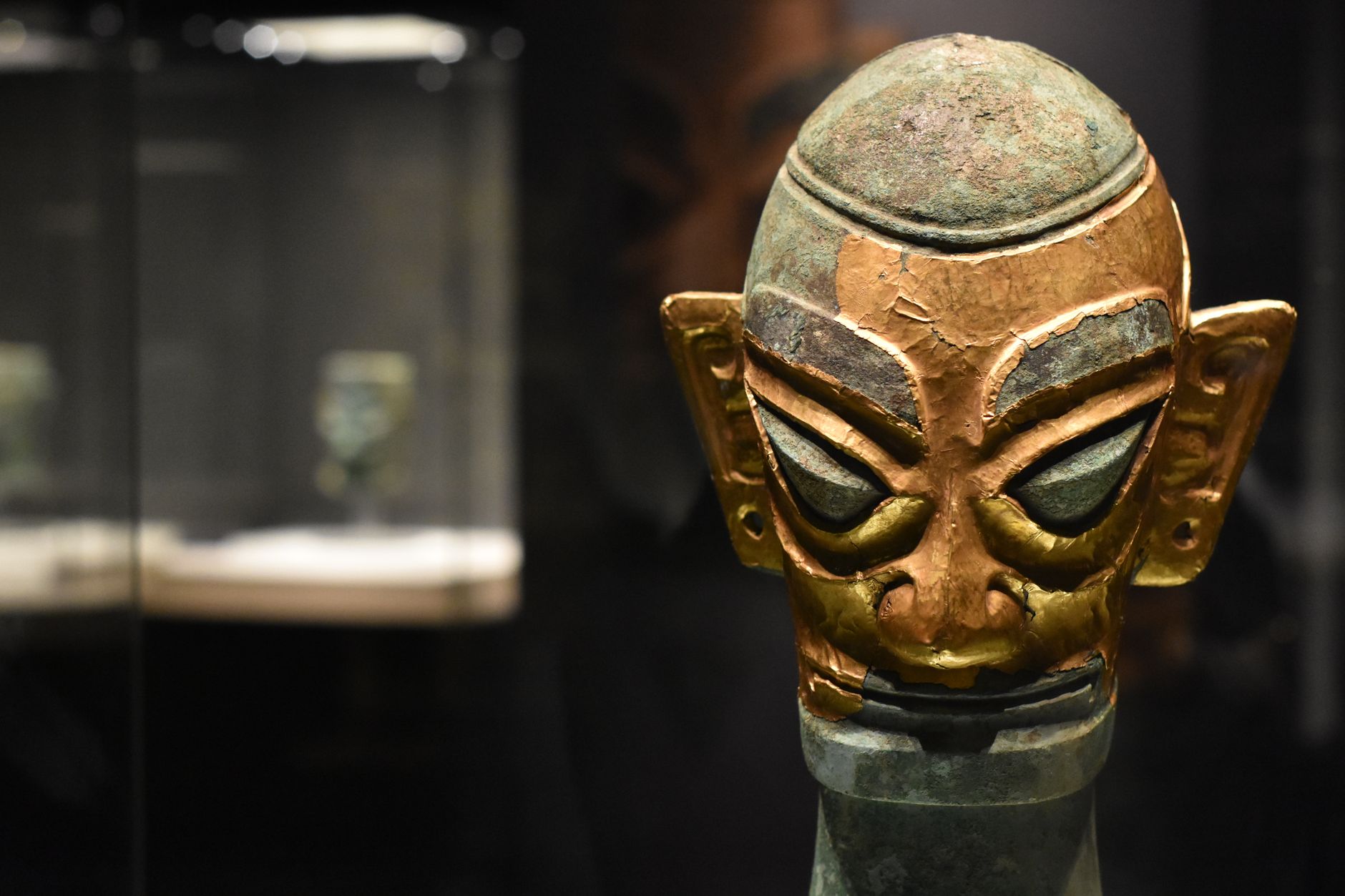
Muntstraat 8, two minutes from the Markt. One well-curated building on the Viking-age trading port: coins struck here, imported Rhineland pottery, timber from the quays, and a clear account of why the town died. Around €7, closed Mondays, and worth an hour before you walk the excavated river bank.

Kasteel Duurstede park, entered from the Langs de Wal on the north-east edge of the centre. A round brick donjon of about 1270 and a later residential wing stand roofless in a landscaped park with a moat and a walled kitchen garden. The grounds are free and open daily; the tower opens for events and a summer café.
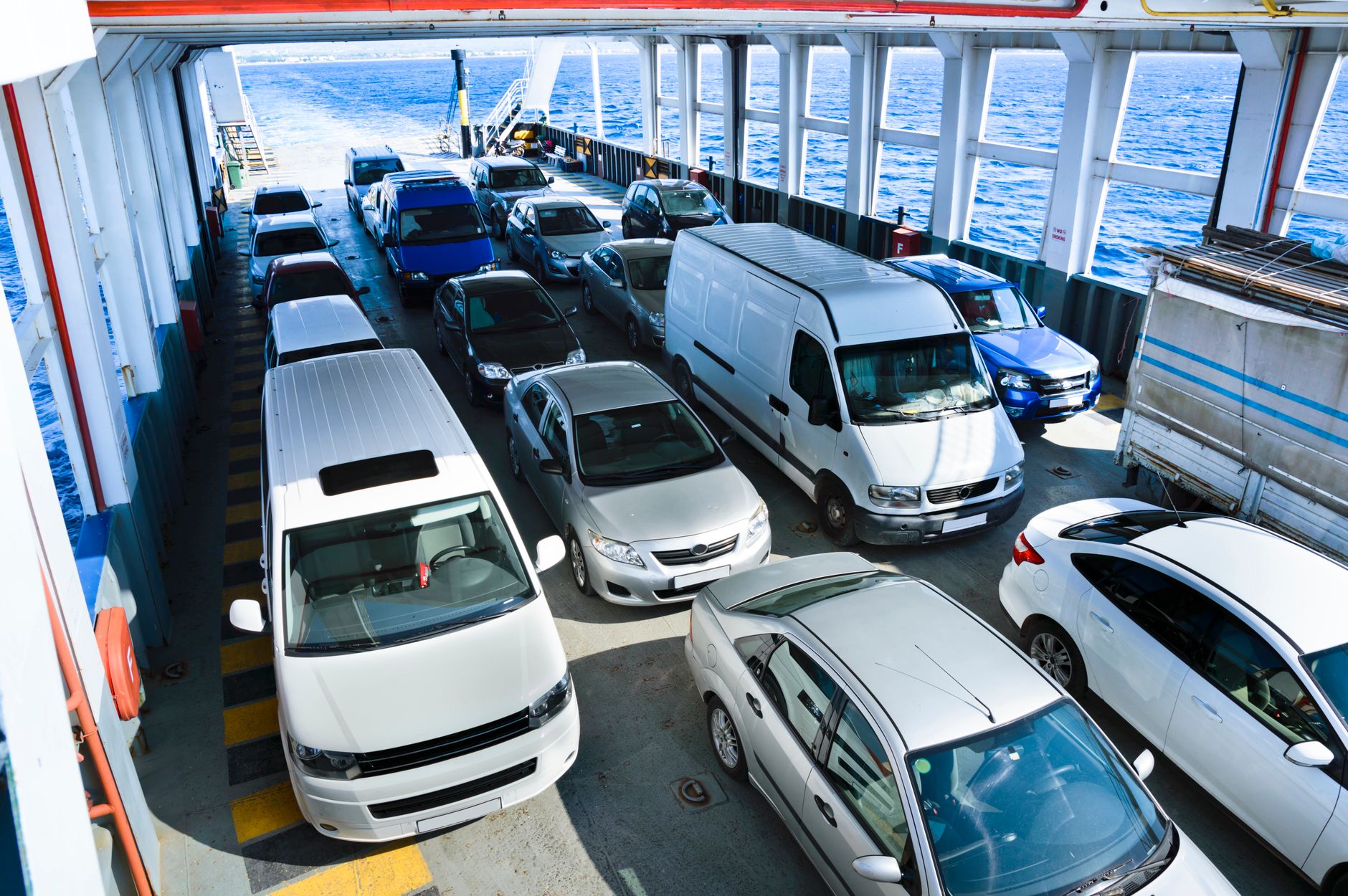
The veerpont leaves from the foot of the dyke below the mill and crosses to Rijswijk on the Gelderland bank in about five minutes. Roughly €1.50 with a bicycle, a few euro for a car, cash or card at the ramp. On the far side you are straight into the Amerongse Bovenpolder, a river floodplain grazed by Konik horses.
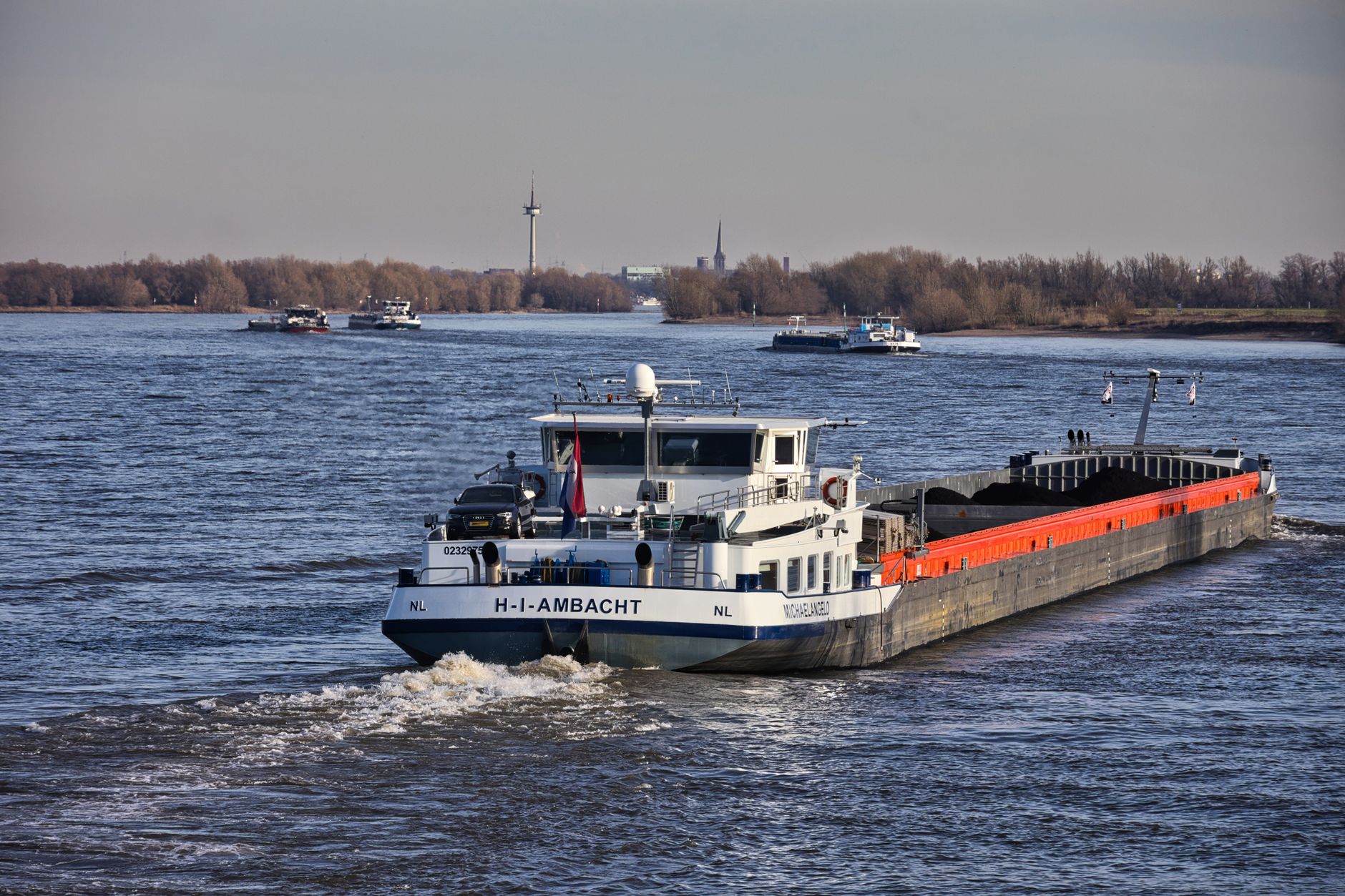
Twenty minutes' walk east along the Lekdijk, where the Amsterdam-Rijnkanaal meets the river. Three parallel chambers handle the heaviest inland shipping in the country; there is a public viewing bank and a bicycle bridge over the lock heads. Best in the late afternoon when the loaded barges queue for the downstream chamber.
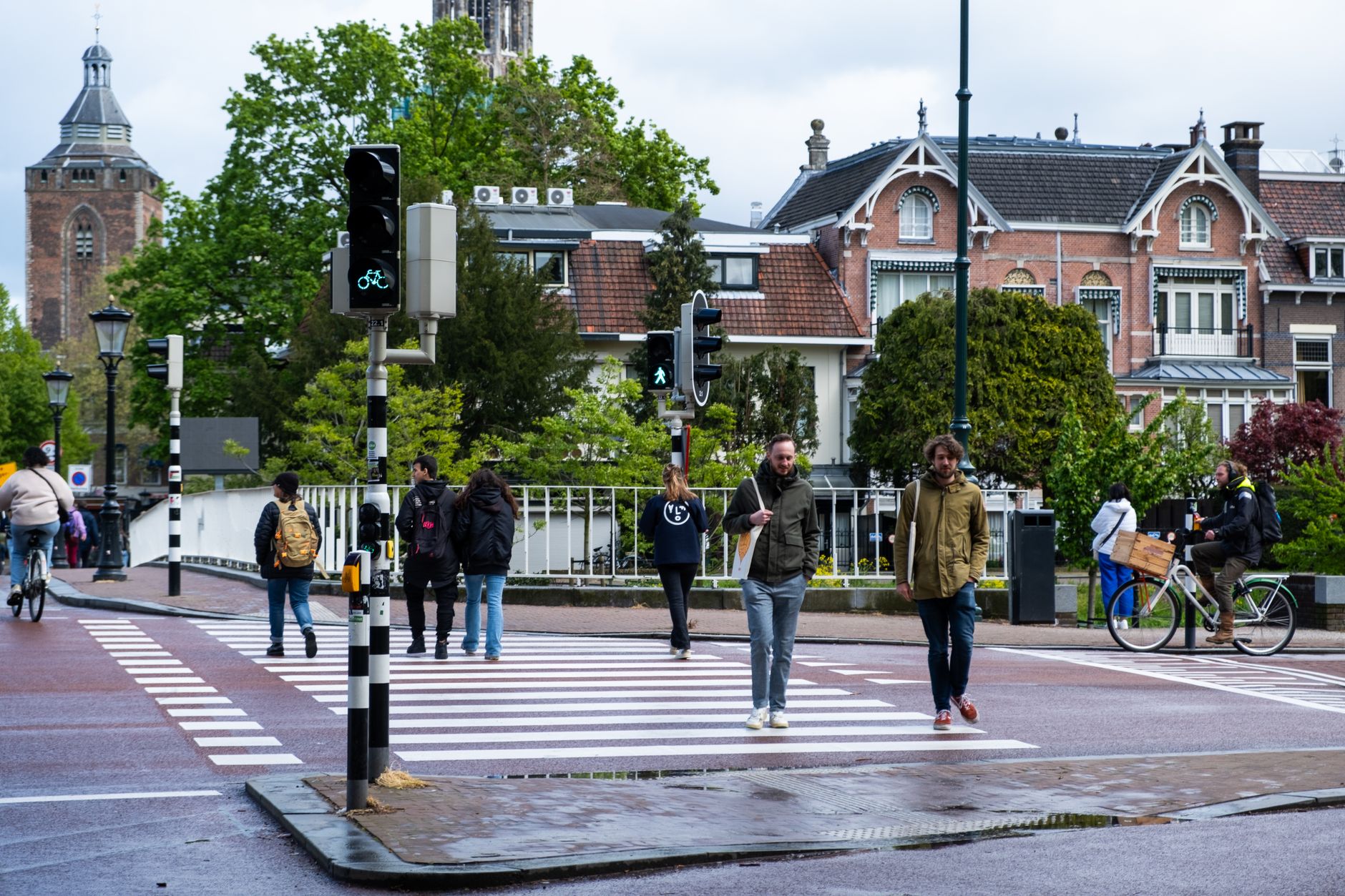
Pick up the signed route at the Rijn en Lek mill and follow the old river north-west through Cothen, Werkhoven and Odijk to Bunnik and Amelisweerd, about 25 km on near-continuous asphalt cycle path. Orchards, tower houses and one ferry-free stretch of water the Romans used as their frontier.
What to see
Hotels near Wijk bij Duurstede
No hotels are listed in Wijk bij Duurstede yet. The nearest ones are on the region page.
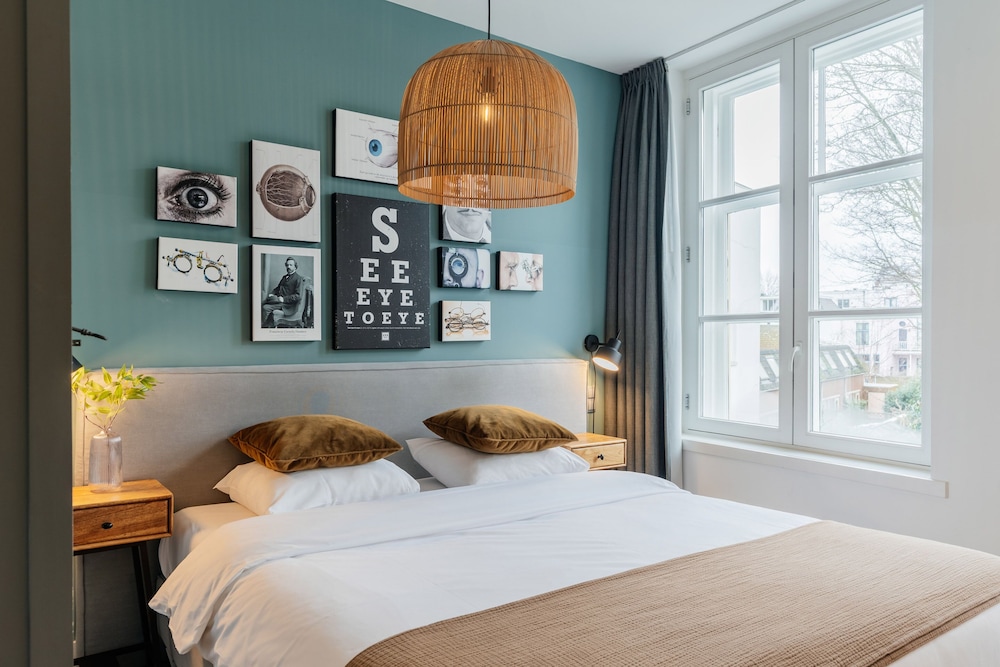
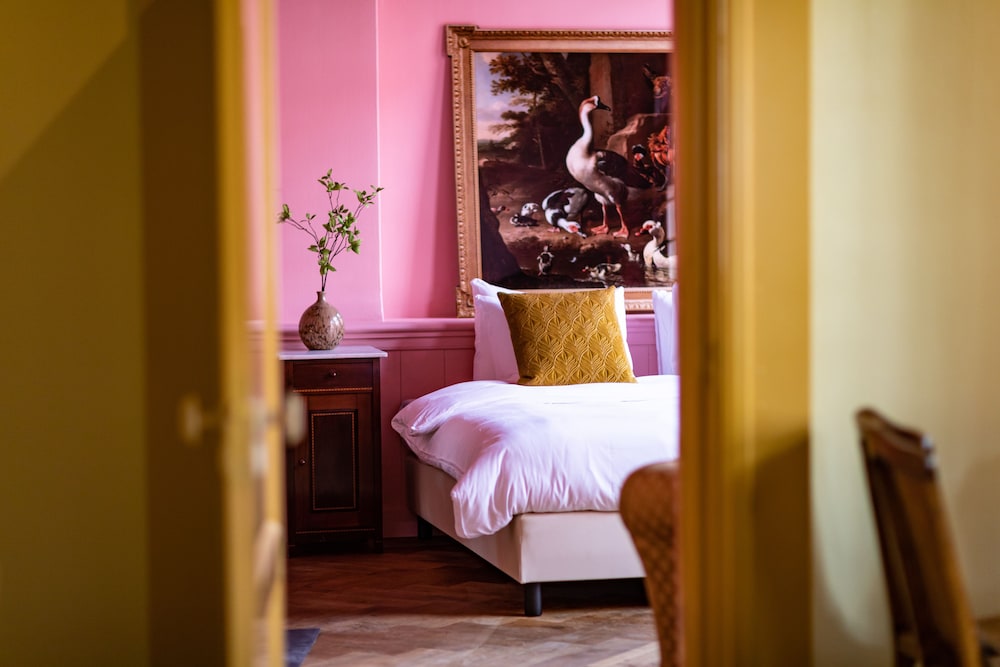

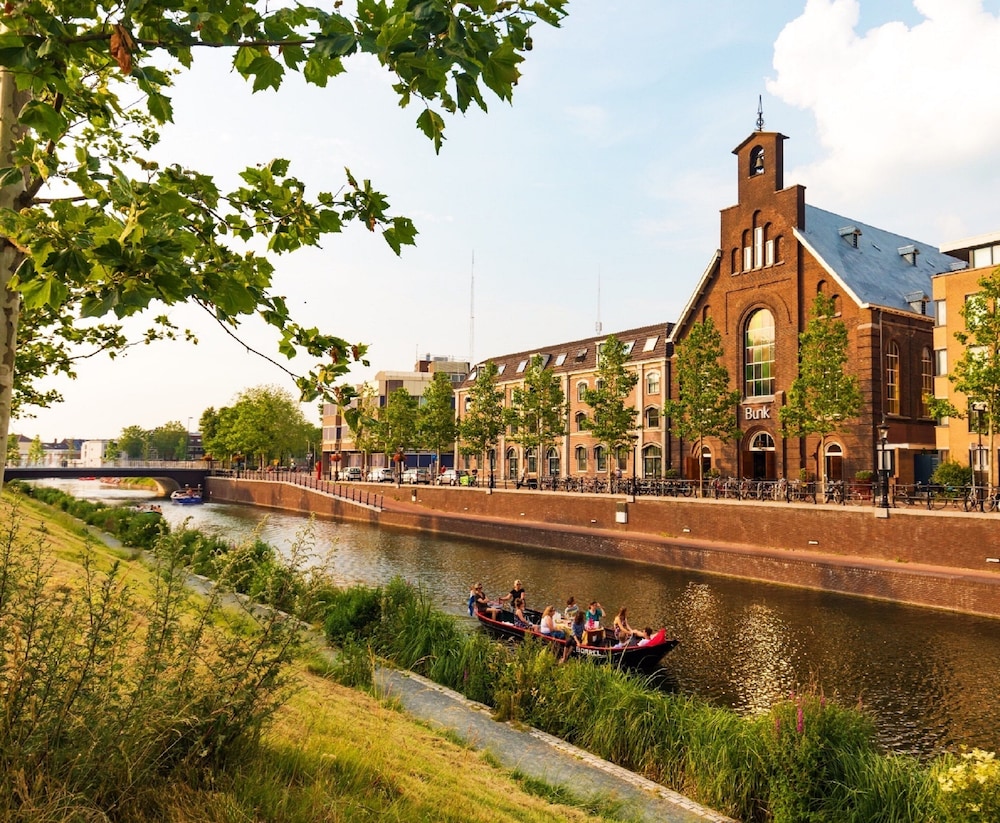
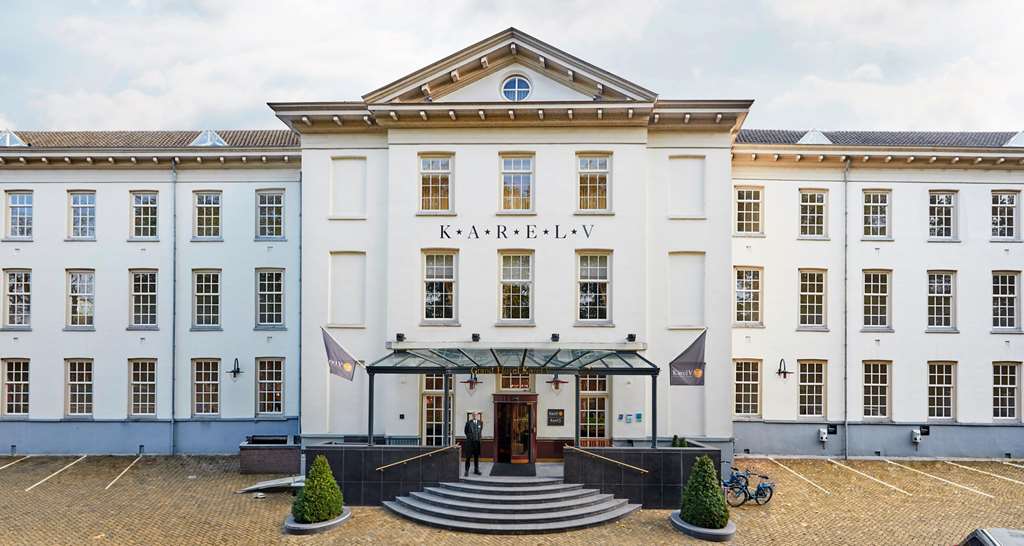
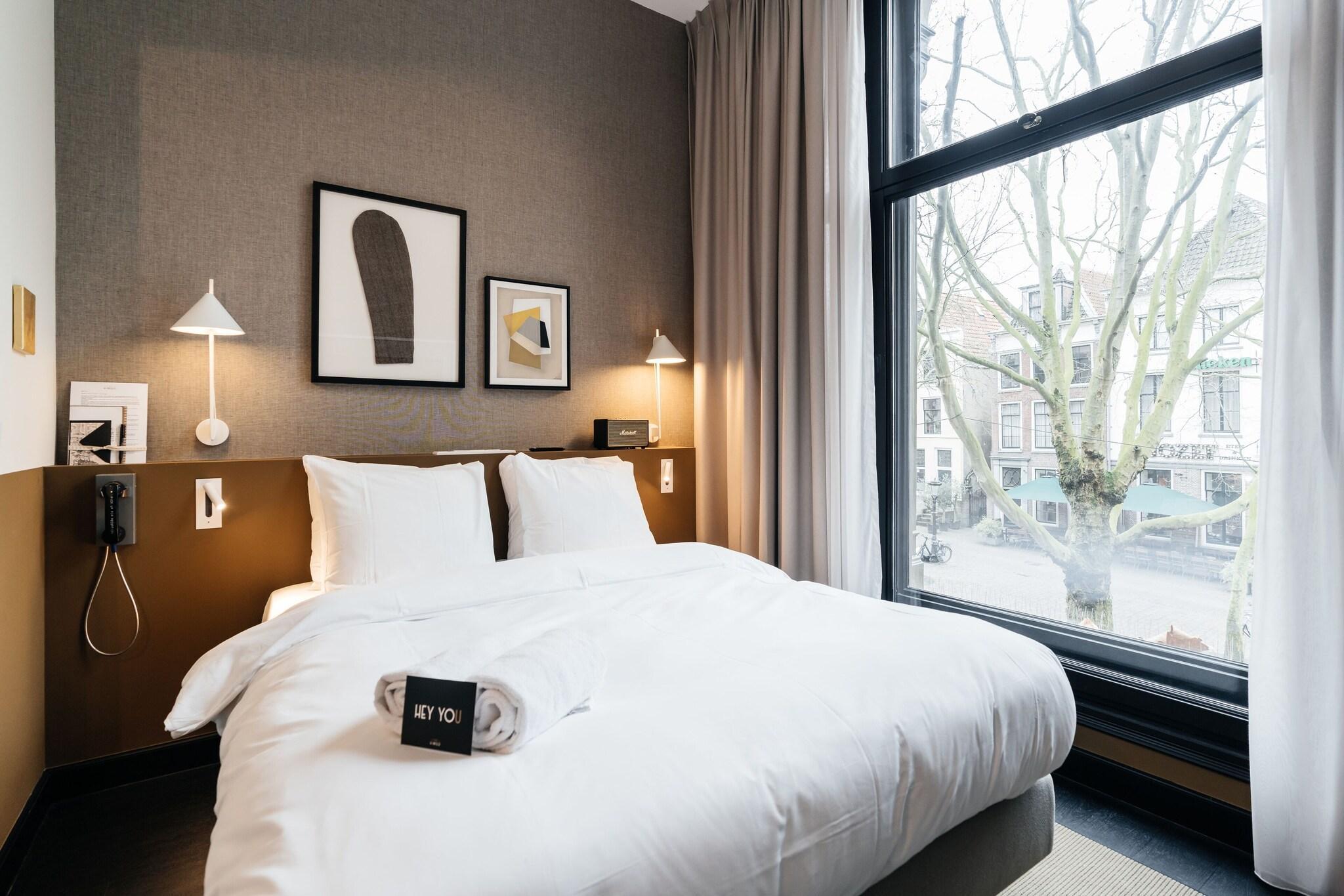
Every hotel we cover in Wijk bij Duurstede
- Hotel 1851 3★ · 4.8/5
- Hotel Brasserie Florian 3★ · 4.2/5
- B&B de Spiegel Genieten Van Rust En Ruimte 3★
- Bb de Hinker 3★
- Bed & Brood de Vogelpoel 3★
- De Bloesem 3★
- Holiday Home in Cothen by the Waterfront 3★
Getting around Wijk bij Duurstede
There is no railway. From Schiphol, take a train to Utrecht Centraal, about 35 minutes, then bus 41 from the station bus deck: it runs via Bunnik, Odijk, Werkhoven and Cothen and reaches the Wijk bij Duurstede bus station in 45 to 55 minutes, roughly twice an hour on weekdays and hourly on Sundays. The last useful departure back to Utrecht is in the mid-evening, so plan dinner accordingly. By car, leave the A12 at Bunnik or Driebergen and take the N229 south, about 30 minutes from central Utrecht; there is free parking on the Singel ring and paid spaces nearer the Markt. Inside the walls nothing is more than a six-minute walk, and every hotel can point you at a rental bike.
Questions about Wijk bij Duurstede
No. The town has never had a passenger railway and the nearest stations are Houten Castellum and Driebergen-Zeist, each about fifteen kilometres away. Bus 41 from Utrecht Centraal is the practical link, taking 45 to 55 minutes and running roughly half-hourly on weekdays. If you are arriving late in the evening, budget €45 to €55 for a taxi from Utrecht.
The veerpont runs from the ramp below the windmill to Rijswijk on the south bank, taking about five minutes and leaving whenever it has a load. It carries cars, bikes and foot passengers; expect around €1.50 with a bicycle and a few euro for a car, paid on board. It runs daily from early morning to evening, but stops in high water or heavy ice, so check before planning a loop that depends on it.
Not standing above ground, no. The settlement was excavated in the 1960s and 1970s and the finds are in Museum Dorestad on the Muntstraat, which is a good hour and honest about what is left. Markers along the old river channel show where the quays ran. If you want reconstructions rather than context, this is not the place.
It is one of the better ones in the province. The Kromme Rijn route runs 25 km to Utrecht on almost unbroken cycle path, the Lekdijk gives you flat river riding east toward Amerongen and west toward Vianen, and the ferry opens the Betuwe orchards on the far bank. Bike hire in town runs about €12 to €15 a day, e-bikes closer to €30.