Rietveld Schröder House
The only building on the UNESCO World Heritage list designed entirely on De Stijl principles — a 1924 house whose upper floor has no fixed walls, visited in groups of a dozen.
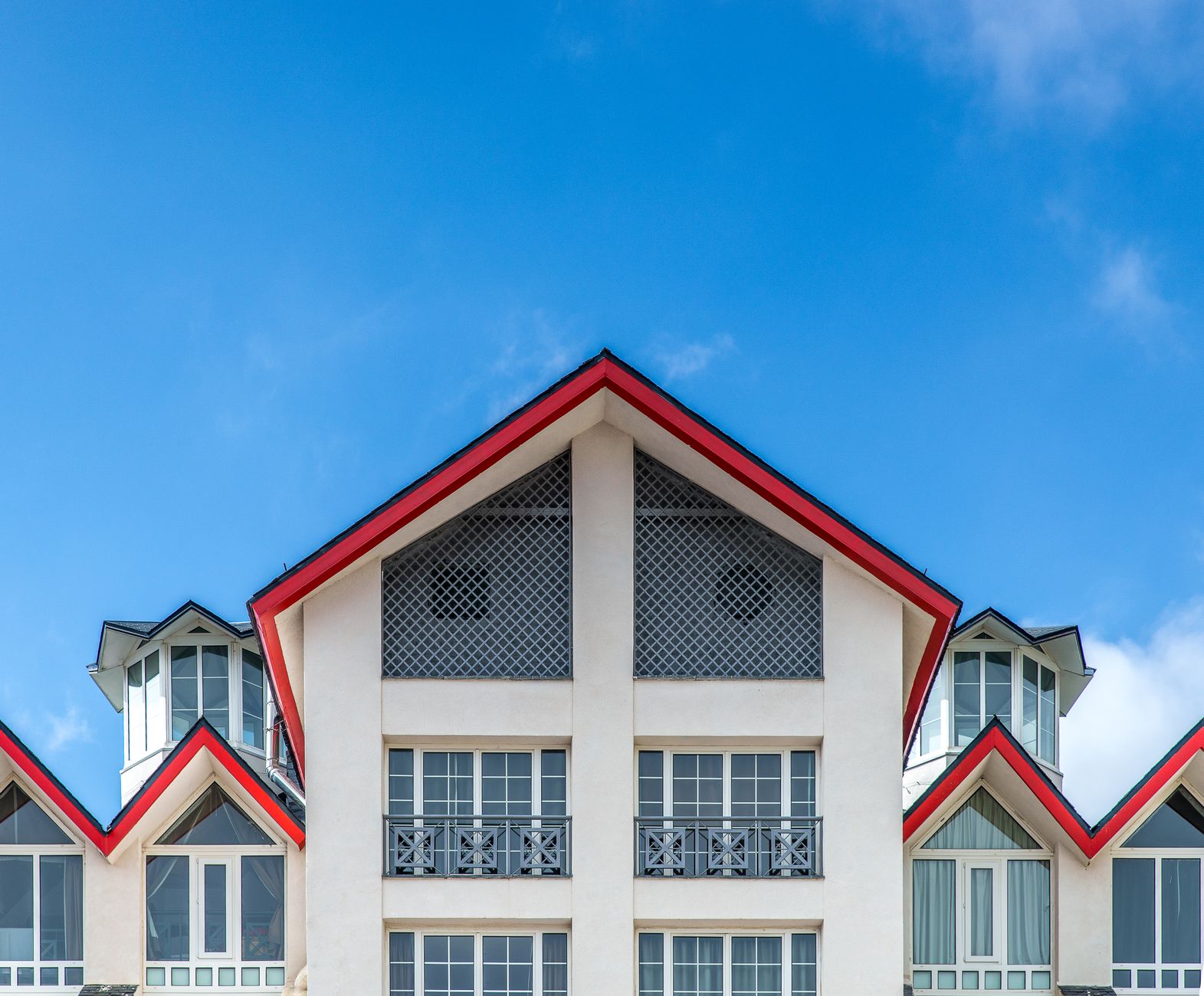 The white, red and blue facade of the Rietveld Schroder House in Utrecht
What to expect at Rietveld Schröder House
The Rietveld Schröder House at Prins Hendriklaan 50 was built in 1924 by Gerrit Rietveld for Truus Schröder-Schräder, a widow who wanted to live with her three children in a house without conventional rooms. It is the purest built expression of De Stijl anywhere: sliding and pivoting planes, primary colours used as structure rather than decoration, and an upper floor that can be opened into one continuous space or divided by moving partitions into three sleeping areas. UNESCO inscribed it on the World Heritage list in 2000 as the only building designed entirely according to De Stijl principles, and it is unusual among world heritage sites for being tiny, suburban and domestic. Truus Schröder lived here until 1985; Rietveld himself worked from a studio in the building for years. The Centraal Museum manages it and keeps it as close as possible to its original state.
You visit in a small group, usually a dozen people, with a guide, and it lasts about an hour. Shoe covers go on, bags go into lockers, and you follow the house as Rietveld intended it to be used: the compressed ground floor with its studio and service rooms, the narrow stair, then the upper living floor, where the guide slides the partitions to show the room becoming three rooms and then one again. Details land harder than photographs suggest. The corner window opens so that the corner itself disappears. The built-in furniture, the chute, the colour-coded floor and the sightlines between spaces are all working parts. Across the street sits the Rietveld row of houses he built later, and the guide will point out how the master learned to compromise once he had clients rather than a collaborator.
This is the one Utrecht museum you genuinely must book, and often weeks ahead. Visits are timed, capacity is small, and summer weekends sell out well in advance; Museumkaart holders still need a reserved slot. Tours run in Dutch and English, so choose the language when you book. Photography inside is restricted, so put the phone away and look. Combine it with the Centraal Museum, which sells the tickets and holds the Rietveld archive and furniture collection, and see the house second if you want context first. Do not bring luggage, do not bring a pushchair inside, and be on time: latecomers miss the slot, because the group has already gone up the stairs and the house cannot absorb stragglers.
It sits in the quiet villa streets east of Wilhelminapark, about 2.5 kilometres from Utrecht Centraal. The most pleasant approach is by bike, eight to ten minutes from the centre along Nachtegaalstraat and Burgemeester Reigerstraat, with rental bikes near the station at roughly €12 a day, and racks outside the visitor entrance. On foot it is twenty-five to thirty minutes from Domplein through Wilhelminapark, a lovely walk in spring. City buses running east from Utrecht Centraal towards Wilhelminapark and Utrecht Oost stop within a few minutes' walk on Prins Hendriklaan or Burgemeester Reigerstraat, with a contactless fare around €2 to €3. Drivers face paid residential parking and no dedicated car park; the surrounding streets are permit-heavy, so public transport or a bike is genuinely the better plan.
Adult admission is around €19.50, including the guided visit and audio material, with reduced rates for teenagers and free entry for children under 13. The Museumkaart is accepted, though a reservation is still required and a small booking fee may apply. There is often a combination arrangement with the Centraal Museum in the city centre, which is worth asking about because the two collections are two halves of the same story; buying both separately costs around €37. There is nothing to spend money on inside: no café, no shop beyond a small selection at the visitor point, no extra charges once you are in. Guided group visits outside standard hours are priced separately. Bring a card rather than cash, as ticketing is handled online or by card at the door.
Visits run Wednesday to Sunday, generally from late morning to late afternoon, and the house is closed on Mondays and Tuesdays. The quietest slots are the first of the day midweek, particularly Wednesday and Thursday at 11:00; the last slot of the afternoon is also often less full. Weekends between May and September are the hardest to book and the fullest inside. Spring is the best season, when the surrounding gardens and Wilhelminapark are in leaf and the walk from the centre is a pleasure. Winter is honest but bleak: the house is famously bright and the low grey light dulls it, and shorter opening hours mean fewer slots. Check for closures around 1 January, 27 April and 25 December, and expect occasional conservation closures announced at short notice.
It suits architecture, design and modernism enthusiasts above everyone else, and for them it is a pilgrimage. Curious general visitors enjoy it too, because the guide makes an abstract idea physical in ten minutes. It suits teenagers poorly unless they are already interested. It is not a good fit for wheelchair users or anyone unable to manage a narrow, steep staircase: the upper floor, which is the entire point, is only reachable by stairs and cannot be adapted, and the ground floor alone is not worth the ticket. Small children will be bored and the house is too fragile for running. Anyone with an hour to fill and no booking should skip it entirely and go to the Centraal Museum, because you cannot walk up and buy a ticket on the day with any confidence.
Nearby, Wilhelminapark is five minutes away and one of the loveliest green spaces in the city, ideal for a coffee on the terrace afterwards. Museum Oud Amelisweerd and the Amelisweerd woods are a fifteen-minute cycle further east and pair naturally with this for a day that mixes design and forest. Burgemeester Reigerstraat, ten minutes back towards the centre, has the neighbourhood's best cafés and food shops. The honest caveats are worth stating plainly: the house is small and the visit is short, so at nearly €20 an hour it feels expensive to anyone not invested in De Stijl. Interiors are reconstructed and conserved rather than untouched. Photography restrictions frustrate visitors who came for the shot. And it is not next to the Centraal Museum, however many itineraries imply it is.
Questions about Rietveld Schröder House
Around €19.50 for adults, which covers the compulsory guided visit and audio material. Teenagers pay a reduced rate and children under 13 enter at no charge. Museumkaart holders are admitted free but must still reserve a timed slot, and a small booking fee can apply. A combination with the Centraal Museum, which manages the house and holds the Rietveld archive, is usually available and cheaper than the roughly €37 the two tickets cost separately.
No. There are no free hours and no walk-in access at all, because every visit is a booked, guided, timed group. Free admission applies only to categories: under-13s, Museumkaart holders, ICOM cardholders and U-pas holders, all of whom still need a reservation. You can look at the exterior from Prins Hendriklaan for nothing at any time, and the Rietveld row of houses across the street is also visible from the pavement.
About an hour, sometimes a little longer if the group asks questions. That covers shoe covers and lockers at the visitor point, the ground floor, the guide's demonstration of the sliding partitions upstairs, and the exterior details. There is no free-roaming time afterwards and no café to extend the visit. Allow ninety minutes in total including arrival buffer, and add the twenty-five-minute walk or ten-minute cycle each way from the centre.
The house is closed on Mondays and Tuesdays. Visits normally run Wednesday to Sunday from around 11:00 to 16:00, with slots at fixed intervals, and winter timetables are shorter with fewer slots. It also closes on 1 January, King's Day on 27 April and 25 December. Because it is a conserved World Heritage interior, occasional short-notice closures for maintenance do happen, so reconfirm your booking the day before if you have travelled for it.
Yes, and this is the museum in Utrecht where booking really is compulsory. Groups are limited to roughly a dozen people per slot and summer weekends sell out weeks ahead. Choose your language when you book, as tours run in both Dutch and English. Museumkaart holders are not exempt from reserving. Turning up hoping for a cancellation works occasionally on quiet winter weekdays and almost never between May and September.
City buses running east from Utrecht Centraal towards Wilhelminapark and Utrecht Oost stop within a few minutes' walk of Prins Hendriklaan, with a contactless single fare around €2 to €3. Cycling is better: eight to ten minutes from the centre via Nachtegaalstraat and Burgemeester Reigerstraat, with hire bikes near the station at about €12 a day. Walking from Domplein takes twenty-five to thirty minutes through Wilhelminapark. Street parking is permit-controlled, so do not drive.
Hotels near Rietveld Schröder House
Every hotel we cover in Wilhelminapark
- B&B Limes Oudwijk 2★ · 0.9 km away
More things to do
All things to do


From the journal
All posts Comparisons & rankings
Hotels with free parking in Utrecht, ranked
Comparisons & rankings
Hotels with free parking in Utrecht, ranked
On-street parking inside Utrecht's canal ring can pass €5 an hour and a central hotel space costs €20-30 a night, so here are 8 kinds of hotel that throw the car in for nothing — and the ride into town each one leaves you with.
 Comparisons & rankings
Best family-friendly hotels in Utrecht, ranked
Comparisons & rankings
Best family-friendly hotels in Utrecht, ranked
Utrecht's prettiest hotels are 17th-century canal houses with 40 steps and no lift, so here are 8 places-and-types that actually work with children — plus the €0-€25 attractions that justify each location.
 Comparisons & rankings
Pet-friendly hotels in Utrecht, ranked
Comparisons & rankings
Pet-friendly hotels in Utrecht, ranked
Most Utrecht hotels take dogs for €10-20 a night, but only a few give you somewhere to walk one at 07:00 — here are 7 areas and hotel types ranked on exactly that, plus the off-leash woods worth the ride.